How do I password protect my files and folders in Windows?

Because most versions of Windows do not include a method of password protecting your files and folders, this page provides steps for encrypting files and folders instead. To password protect your files and folders in Windows, you need to use a third-party program.

TIP: Before password protecting any document, you may want to create a backup of the non-password protected files and folder in case you forget the password in the future.

Microsoft Windows Vista, 7, 8, and 10 users

Unfortunately, Windows Vista, Windows 7, Windows 8, and Windows 10 do not provide any features for password protecting files or folders. You need to use a third-party software program to accomplish this.

If you want to encrypt a file or folder, this can be done by following these steps:

  1. Select the file or folder you want to encrypt.
  2. Right-click the file or folder and select Properties.
  3. On the General tab, click the Advanced button.
  4. Check the box for the “Encrypt contents to secure data” option, then click OK on both windows.
Encrypt file setting

Note : If the “Encrypt contents to secure data” option is not selectable and grayed out or you do not see the option at all, you likely have a Home edition of Windows, which does not support this feature. It is also possible that the hard drive where the files are located is not formatted as NTFS, as this is a requirement for the encryption feature.

Microsoft Windows XP Professional users

The steps below for encrypting the files on Windows XP Professional apply to users who are using a computer that has two or more accounts. If you are using a single account, see the other security solutions section.

  1. Select the file or folder you want to encrypt.
  2. Right-click the file or folder and click Properties.
  3. On the General tab, click the Advanced button.
  4. Check “Encrypt contents to secure data” option.
  5. Click Apply and then OK.

Note : You will not be prompted to enter a password when encrypting a folder in Windows XP Professional. However, other user accounts on your computer will not have access to files contained in the encrypted folder.

Encrypt contents to secure data is grayed out

If you are using the Home edition of Microsoft Windows XP, see the Windows XP Home steps.

Show “Encrypt” on the context menu

The newest version of TweakUI also enables you to show the Encrypt option in the context menu. To do this, follow the steps below.

  1. Open TweakUI.
  2. In the TweakUI window, select Explorer.
  3. In the right side of the window under Settings, locate Show ‘Encrypt’ on the context menu and check the box. This option should be below Prefix ‘shortcut to’ on new shortcuts and above Show ‘View workgroup computers’ in NetPlaces.

Microsoft Windows XP Home users

  1. Select the file or folder you want to encrypt.
  2. Right-click the file or folder and click Properties.
  3. Click the Sharing tab.
  4. Check the box Make this folder private.
  5. Click Apply and then OK.

Make this folder private is grayed out

For this option to work on Microsoft Windows XP Home edition, you must meet the below requirements.

  1. The hard drive must be formatted in NTFS and not FAT32 File System.
  2. The folder you are attempting to encrypt is your personal folder. For example, if your name is Bob, you must encrypt the following folder, or a folder within it:
    C:\Documents and Settings\Bob\
    You cannot encrypt any folders outside of this folder. If you want to encrypt folders outside of this folder, see the other security solutions section below.

Other security solutions for protecting your files and folders in Windows

File and folders not frequently used – An easy way to password protect files is to create an archive of the files using a compression tool. When the archive is created, you can encrypt the contents by specifying a password.

Windows ME and Windows XP users – Windows ME and Windows XP come with their own compression utility. This utility can also be used to compress and password protect files.

Windows Vista and Windows 7 users – Windows Vista and Windows 7 also include a compression utility. However, password protection for the compressed files is not possible without the use of a third-party software program.

TIP: When a file is compressed, users can still view a listing of the files in the compressed file. If you want both your file names and the contents to be hidden, move all the files into a single folder and password protect that folder.

File and folders frequently used or accessed

If you need to password protect or encrypt data you frequently use, you need to install a third-party program that allows you to protect your files and folders. Below are some free and commercial solutions.

  • 7-Zip – A free file and folder zipping utility, which also includes the ability to password protect zipped files and folders.
  • AxCrypt – An excellent free encryption utility that enables users to encrypt all files within a folder and not allow those files to be viewed unless a passphrase (password) is known.
  • Folder Guard – A commercial version of a password protection software that enables you to password protect files, folders, and other Windows resources.
  • Protected Folder– For a small fee, it’s an excellent software program that enables you to password protect folders.

Things to remember when encrypting or password protecting files and folders

  1. There is no such thing as a 100% protected file. There are numerous tools, utilities, and instructions for how to break encryption and passwords on files. However, the protection methods listed above will protect your files from the majority of users who may encounter them. If you are working with really sensitive data, we suggest a commercial product for protecting your files and data.
  2. Even though a file or folder may be password protected, it still can be deleted (unless the program supports the ability to protect files from being deleted). Always remember to backup all your files, even those protected by passwords.
  3. If you forget the password, unless you’re willing to spend the time attempting to break it or pay someone else to break the password, all the data in the file or folder will be lost. Thus, it is important to backup a copy of the non-password protected files or folders, just in case.
How to solve the problem that svchost always occupies the computer network speed and memory? —–Windows 10

svchost.exe is a system program belonging to the Microsoft Windows operating system. Microsoft’s official explanation for it is: svchost.exe is the universal host process name of a service running from a dynamic link library (DLL). Coming soon to grab your net, today I will share how to close svchost.

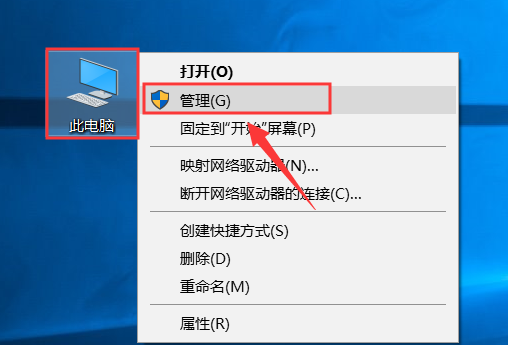
1. Right-click [this computer] and select [Manage].

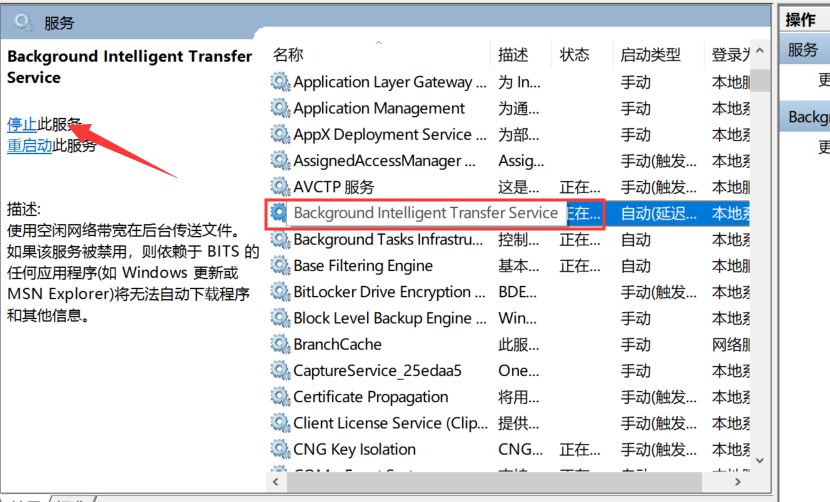
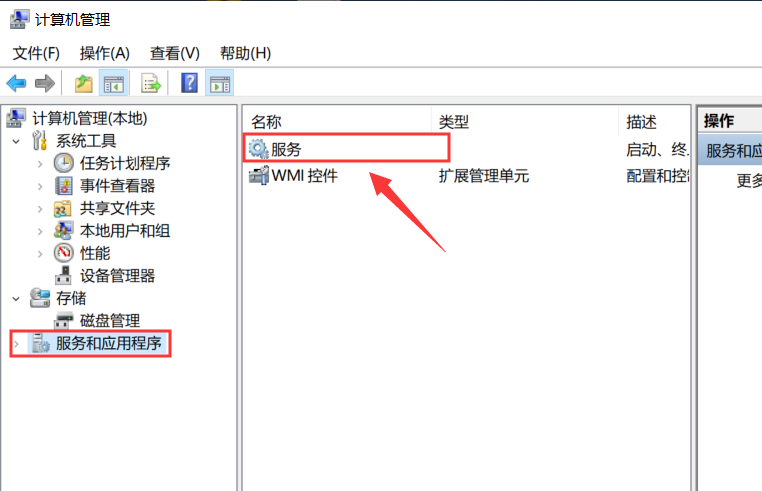
2. Double-click to open [Services] in [Services and Applications].

3. Find [Background Intelligent Transfer Service] and click [Stop].

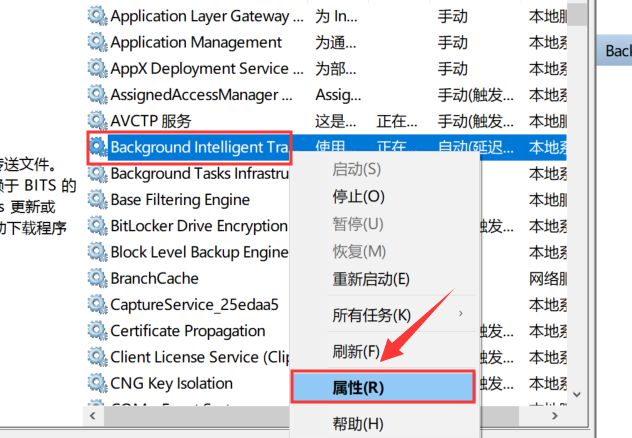
4. Right-click [Background Intelligent Transfer Service] and select [Properties].

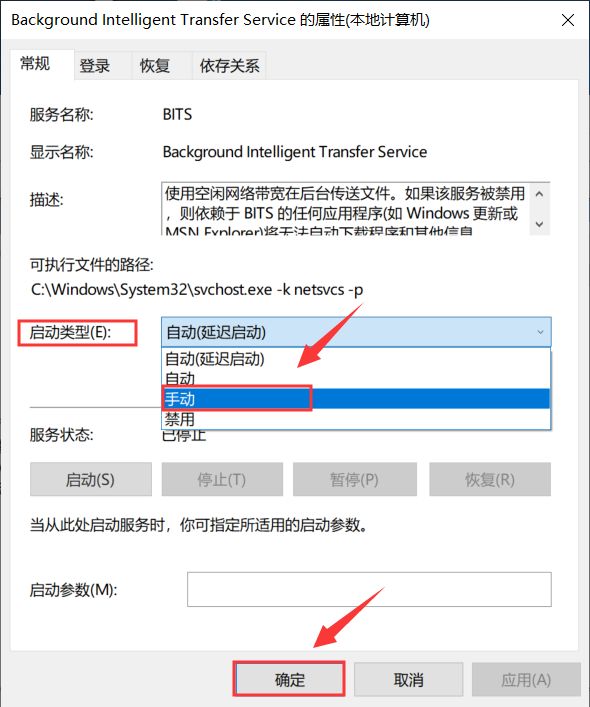
5. Select [Manual] as the startup type, and then click [OK].

How to setup RTC function for Eglobal mini pc M9-J1900?

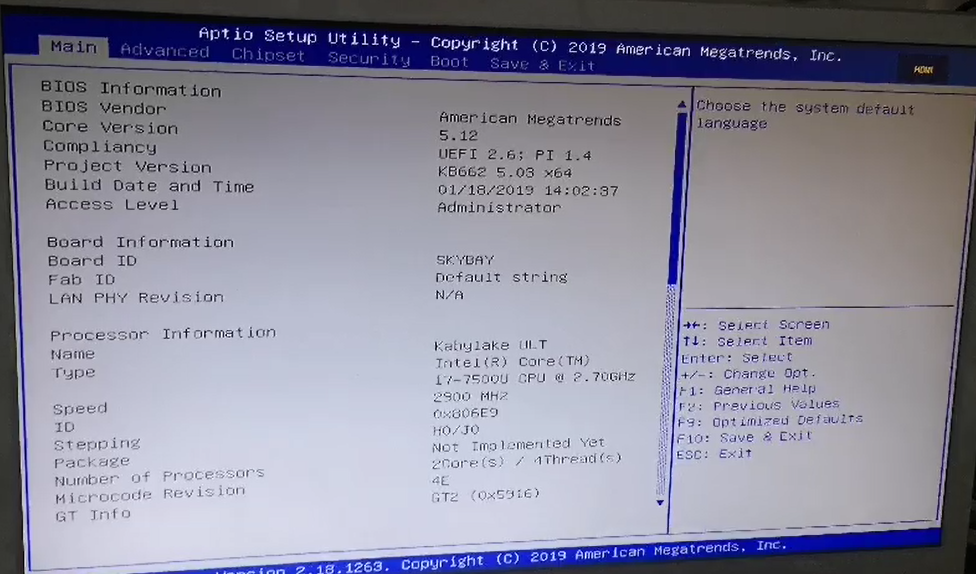
Step 1: Restart your mini pc, and then repeatedly press “DELETE”, into the BIOS.

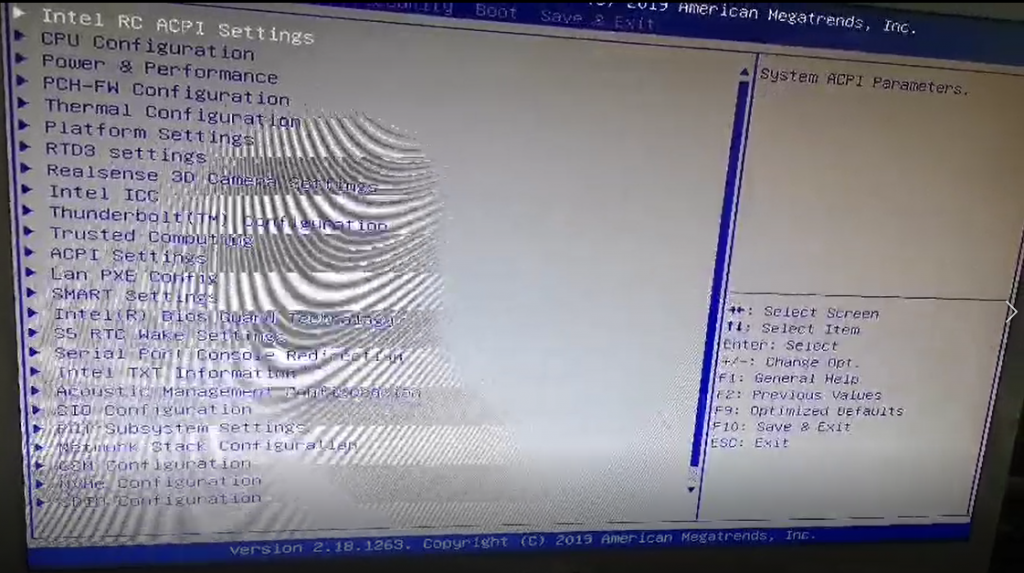
Step 2: Choose the Chipset, find the “Intel RC ACPI Settings”

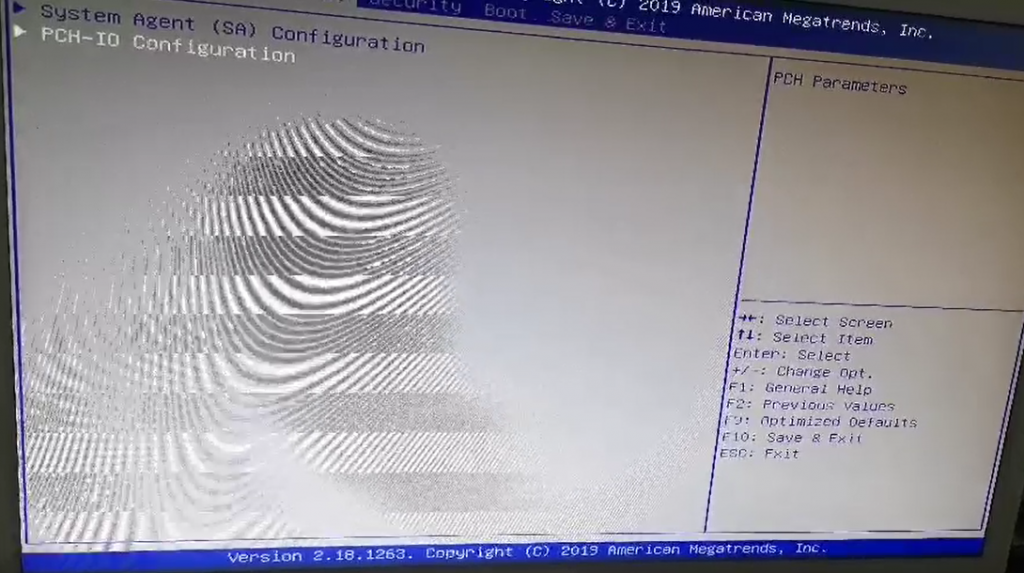
Step 3: Into the “Intel RC ACPI Settings” , choose the “PCH-IO”Configuration”

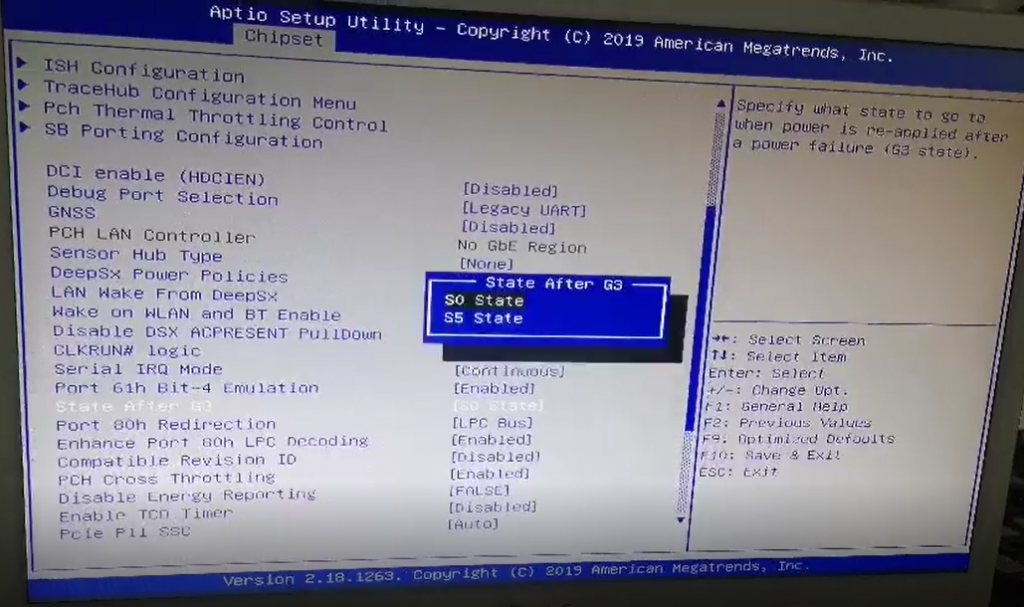
Step 4: Find the “State After G3”, choose the “SO State”.

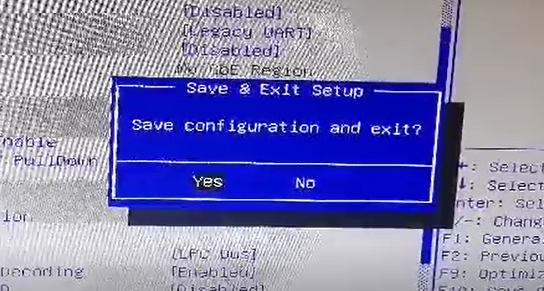
Step 5: Save your configuration and exit.

If you don’t know how to setup the RTC fuction for M9, you may refer our video:

How to solve the problem that the Mini PC’s BIOS is Locked Down?

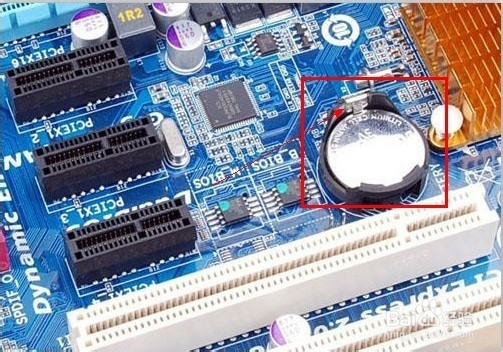
Method 1: Unplug the main unit power cord, then remove the chassis and remove the BIOS battery for a few minutes before installing it.

Note: The miniPC power cord must be unplugged, otherwise there is a big chance that it will not be removed.

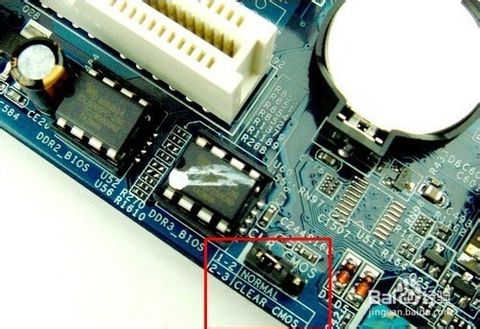
Method 2: Pull the miniPC power cord and then remove the chassis to find a three-pin jumper near the BIOS battery. It should be inserted above 1, 2 and jump to 2, 3 for 10 seconds.

Note: The miniPC power cord must be unplugged, otherwise the current loop will destroy the BIOS. The jumper was originally a short circuit.

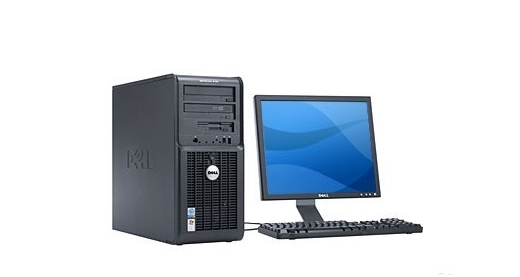
DELL brand host BIOS crack method: Pull the host power cord and then remove the chassis to find the jumper near the BIOS battery. The jumper below writes the password label to pull out the jumper, wait for more than ten seconds and then plug it back. . You can clear the BIOS password.

Note: This method is not only suitable for DELL hosts, because there are many motherboards with the same settings. Only DELL is more commonly used in this method. Previous IBM also liked it, and now like the fourth step.

Lenovo and other brand host BIOS crack method: pull the host power cord and then remove the chassis to find a jumper near the BIOS battery. The jumper below writes the COMS label and pulls out the jumper. Wait for more than ten seconds. go back. You can clear the BIOS password.

How To Setup the PXE Function From Eglobal Mini PC V7-8565U?

Setp 1: Step 1: Press On/Off Switch on the mini pc and then keep press “Esc” on the keyboard until goes into BIOS;

Or

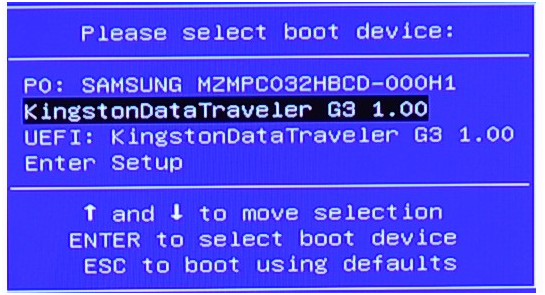
Press “ F11 ” after booting, select “ Enter Setup ”  into BIOS interface as the picture shown:

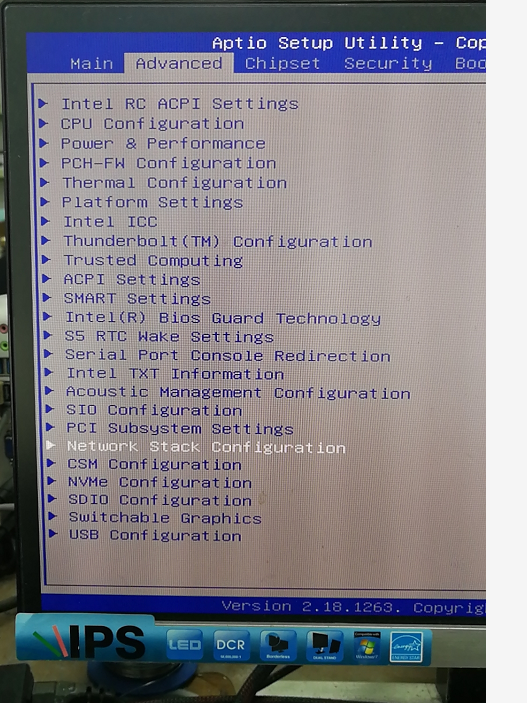
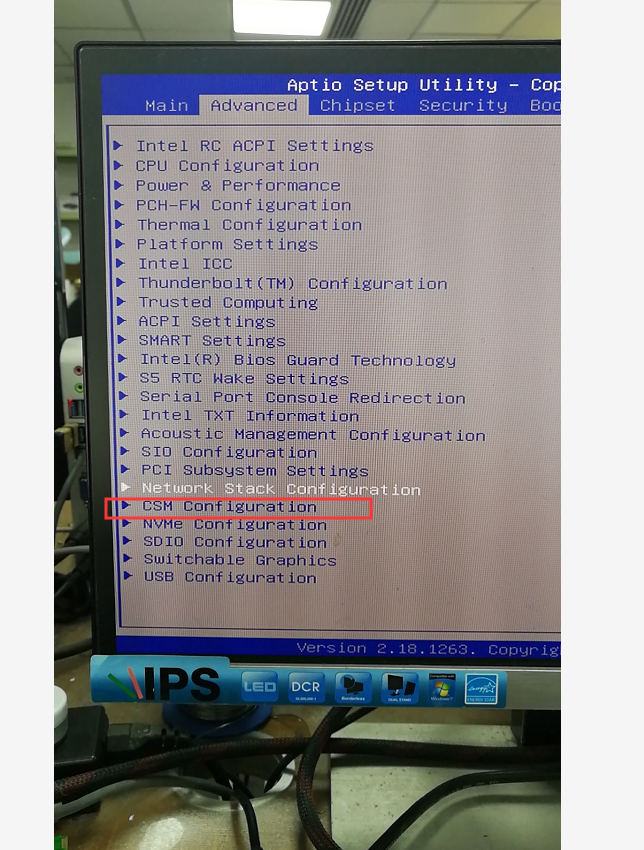
Step2:  Into the “Advanced”, find the “Network Stack Configuration”.

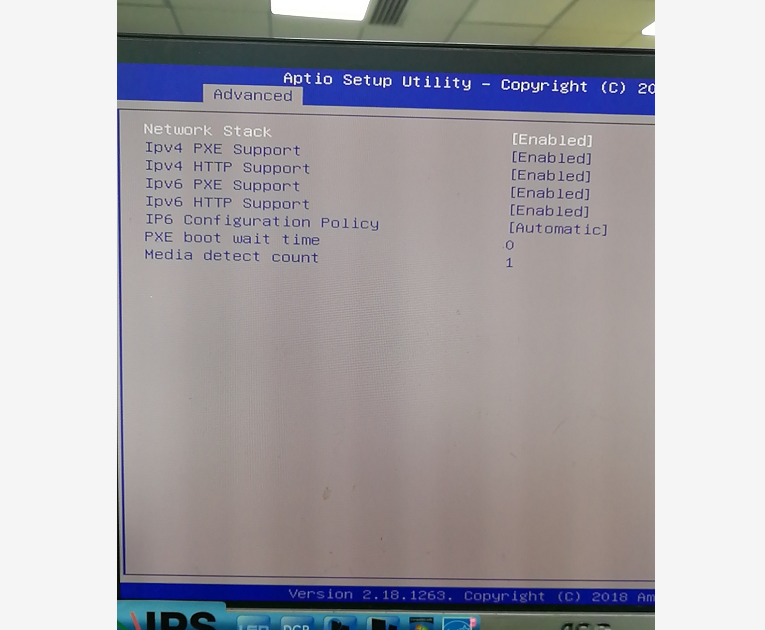
Step 3: Make all the select become Enabled.

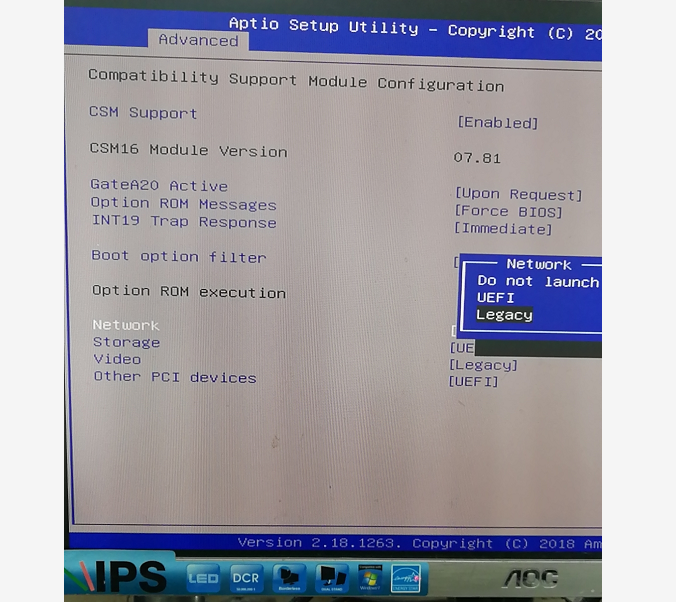
Step 4: After the previous step is completed, return to “Advanced”, into the “CSM Configuration”

Step 5: Find the “Network” choose the “Legacy”.

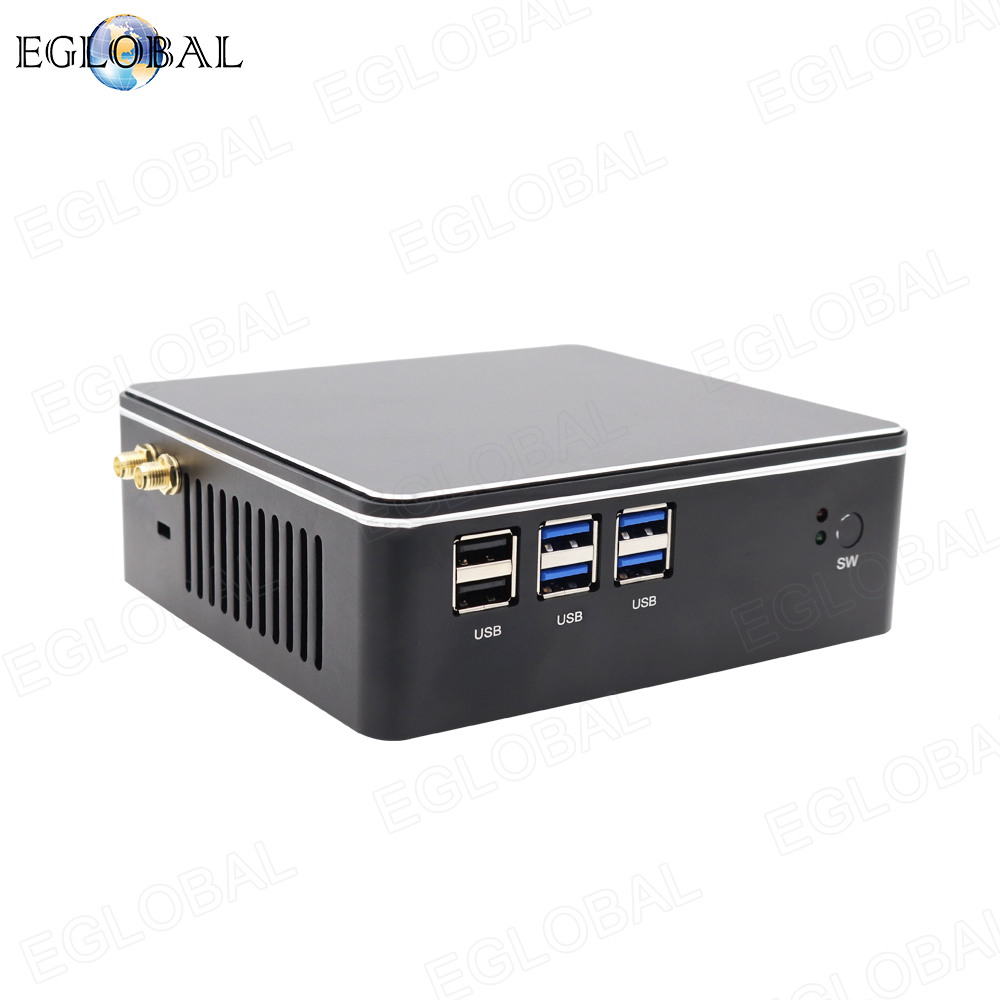
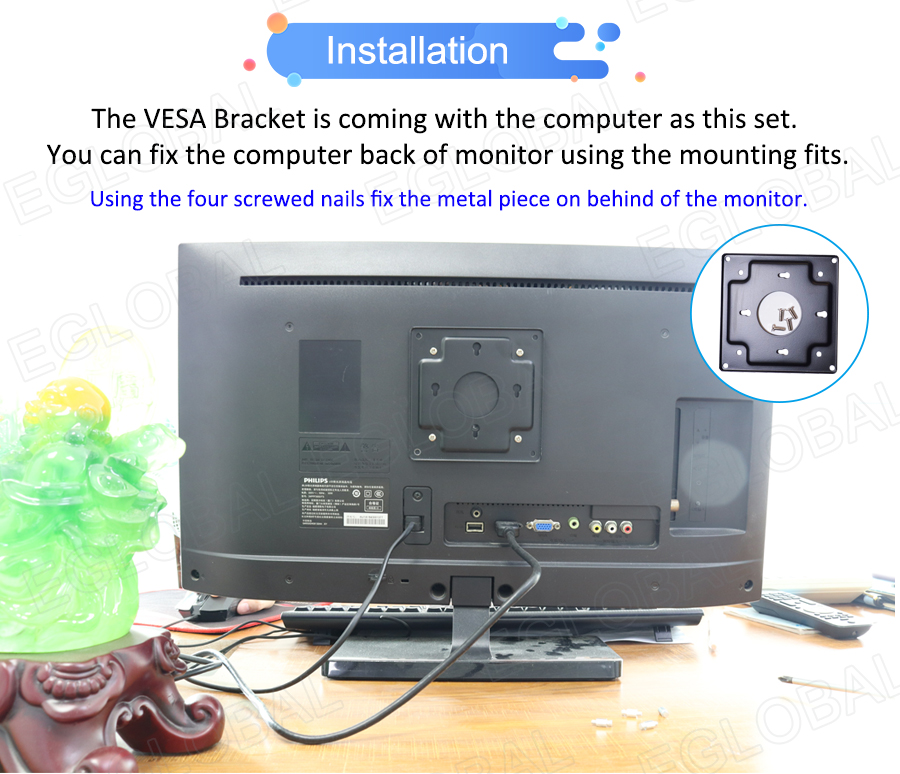
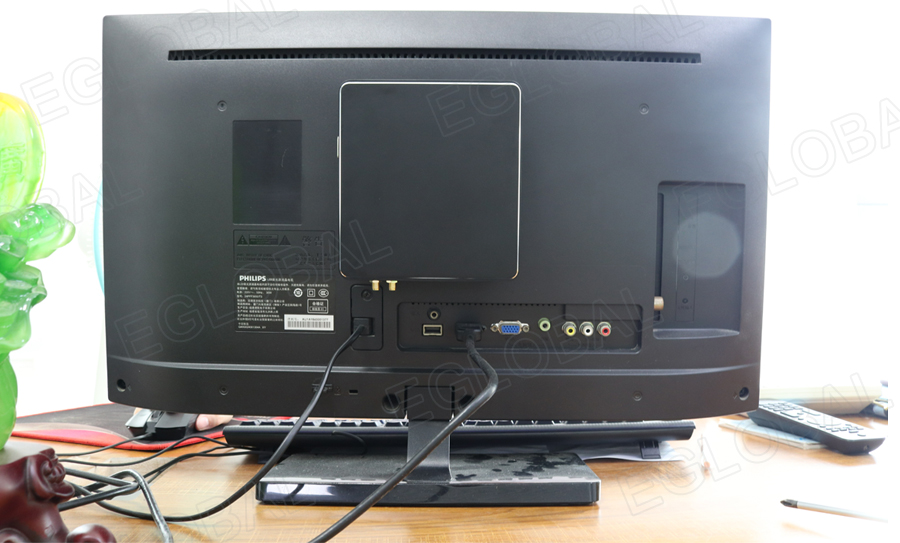
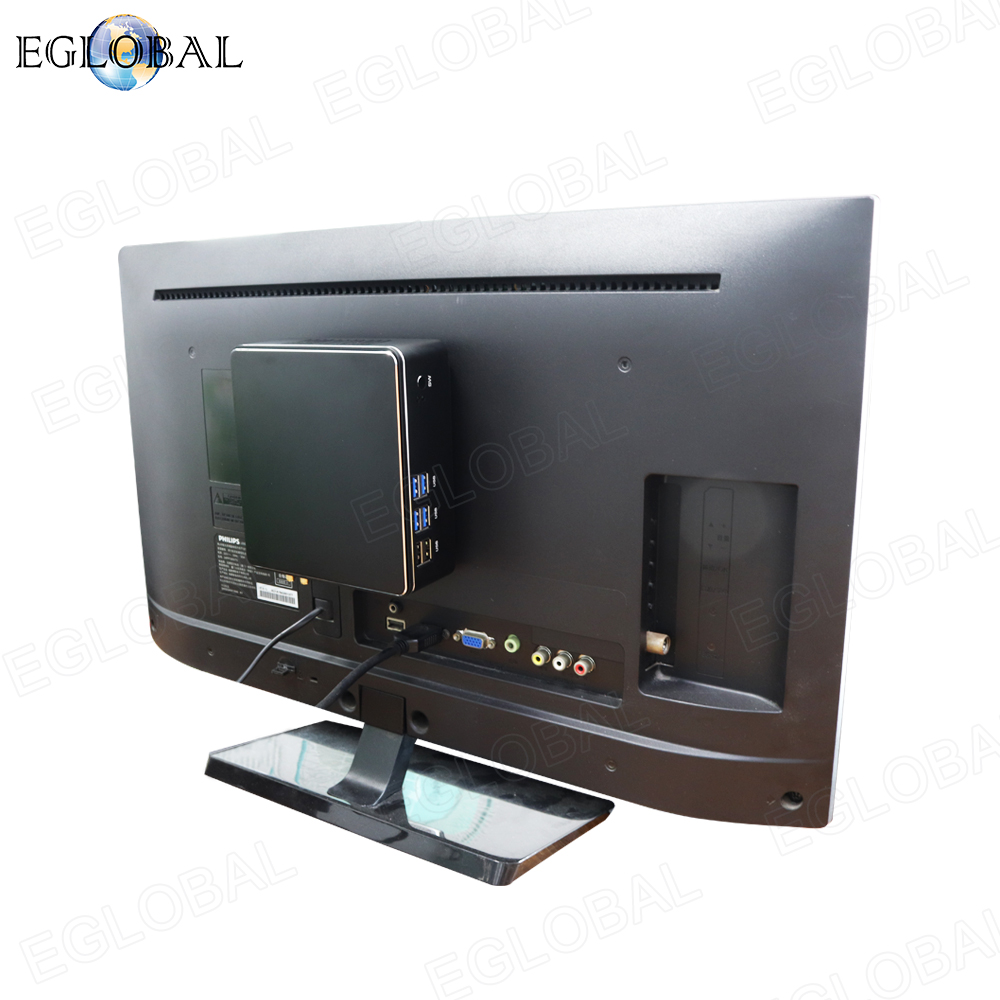
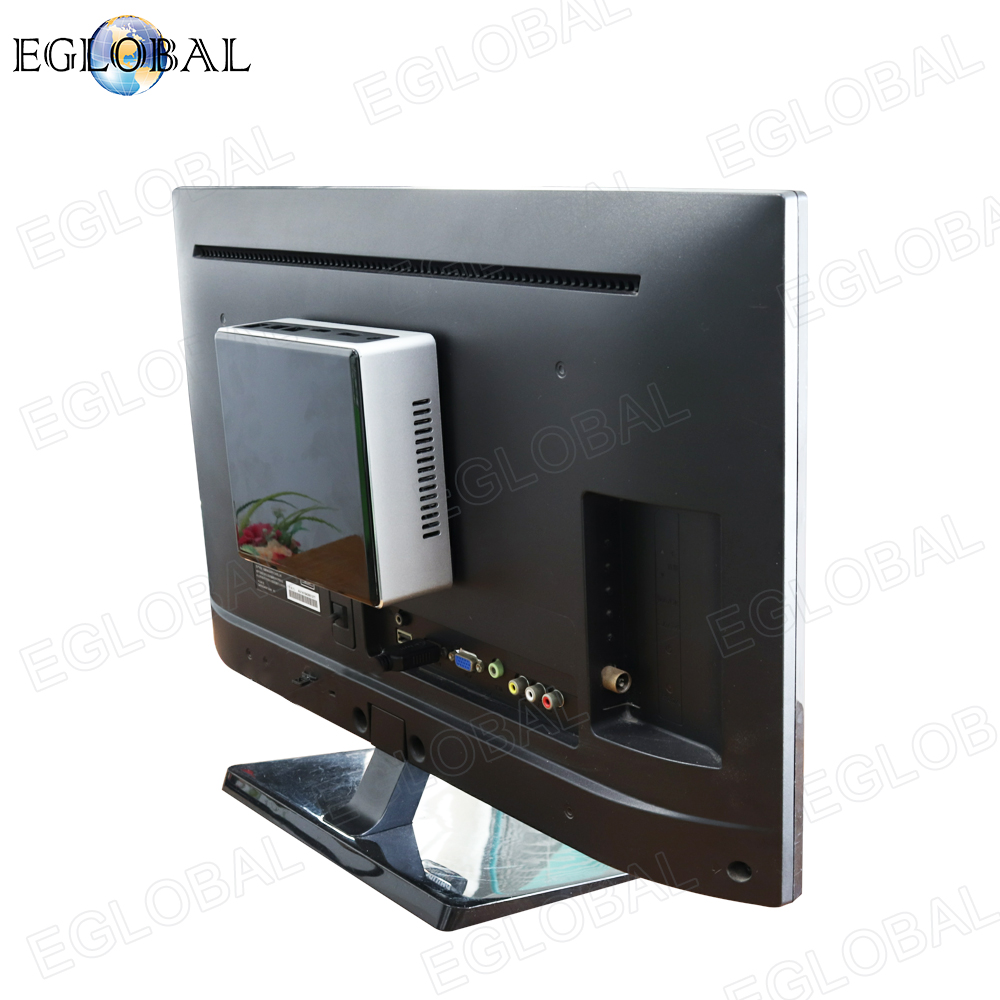
How to make the Eglobal V310 fan mini pc hang behind the monitor

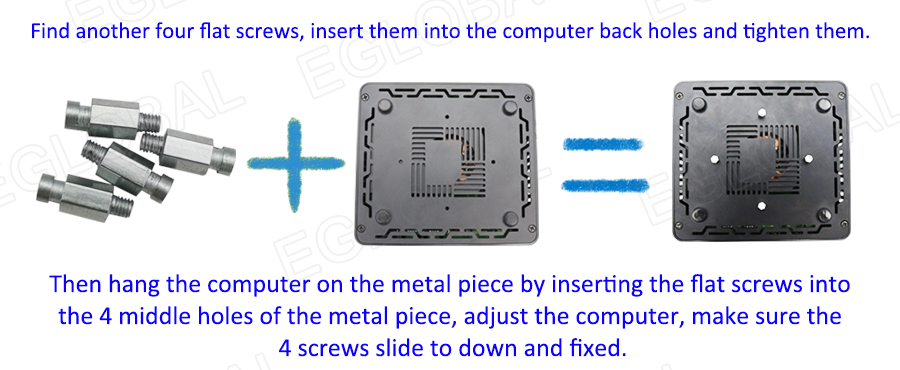
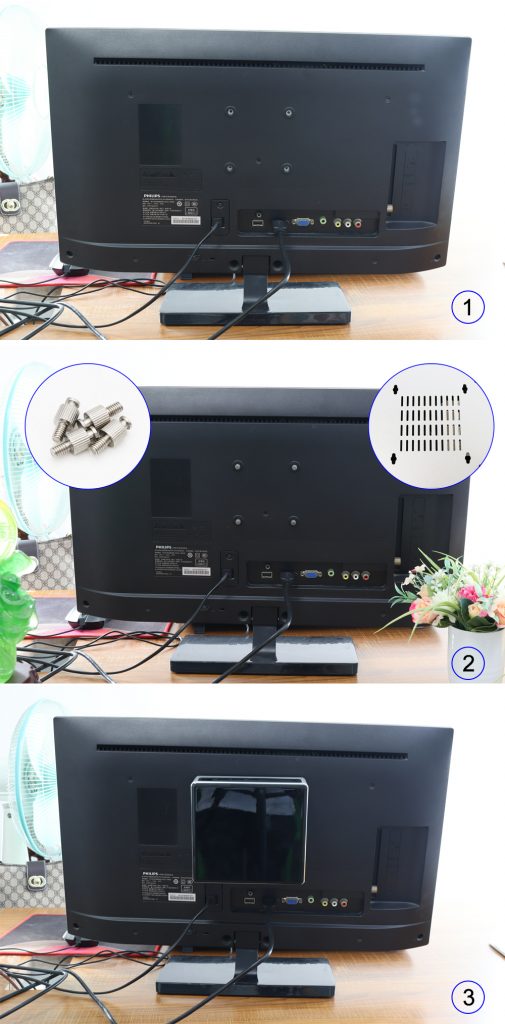
Step1: Have a monitor, a V310 mini pc and four screws ready. Previously, our computer needed a VESA after hanging it on the monitor. Now we can hang it directly behind the monitor without the VESA.

Step2: Screw the screw into the bolt behind the monitor.

Step3: Select the appropriate hanger according to the distance of the bolt.

If you don’t know how to do, please refer to the video.

Details or BUY via the link: https://www.pcstationcn.com/free-shipping-eglobal-mini-pcs/Desktop-pc

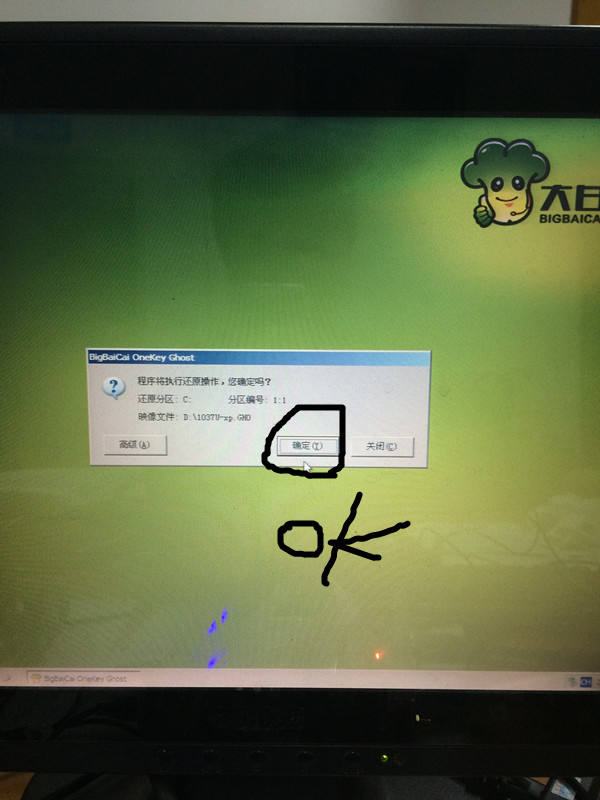
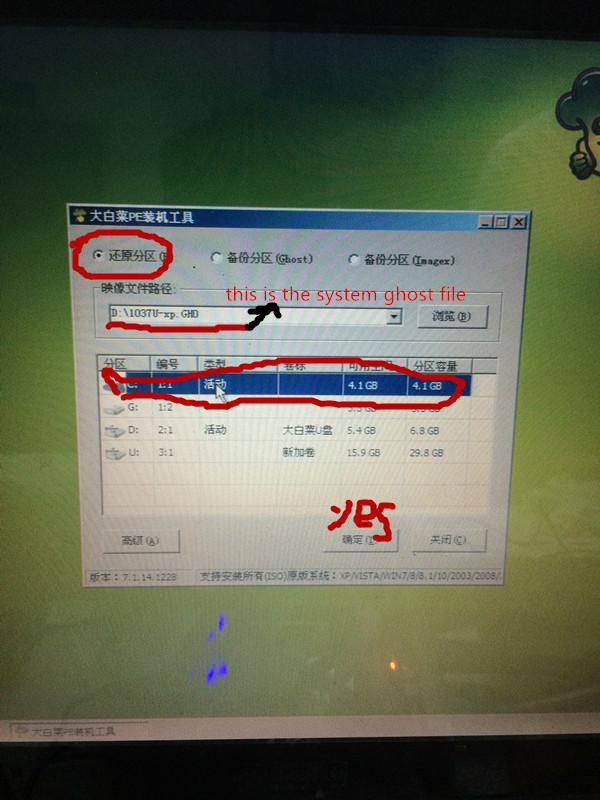
How to install the 1037U system using the USB driver

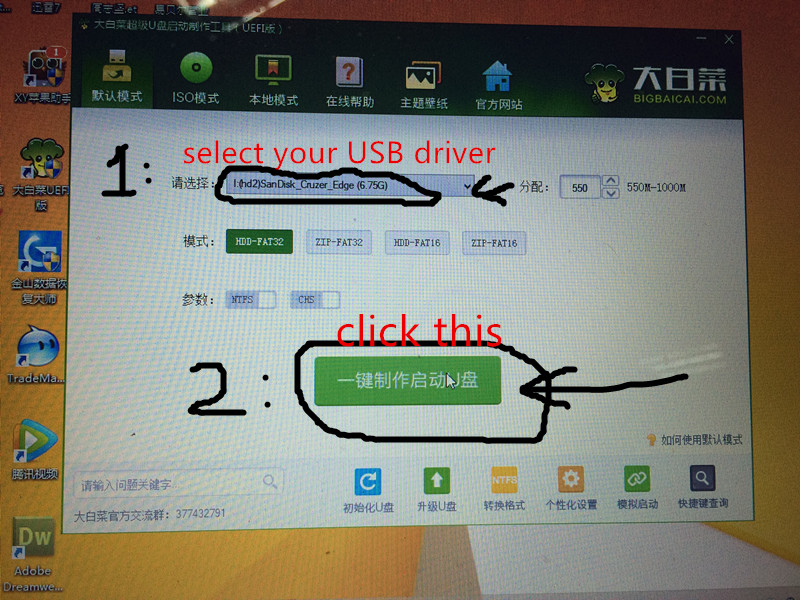
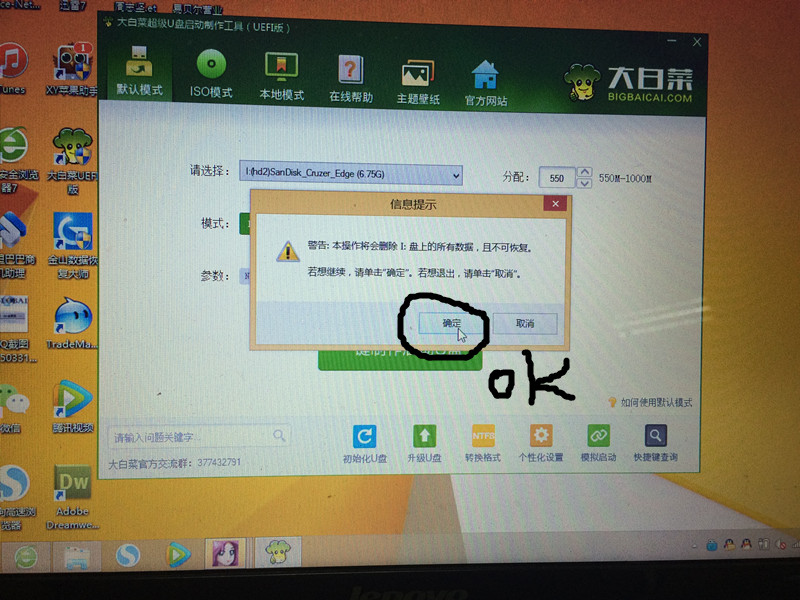
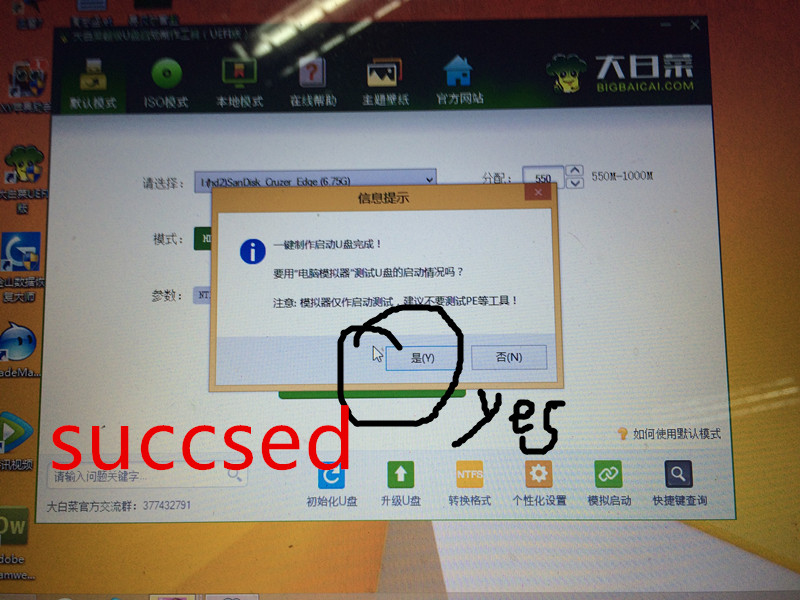
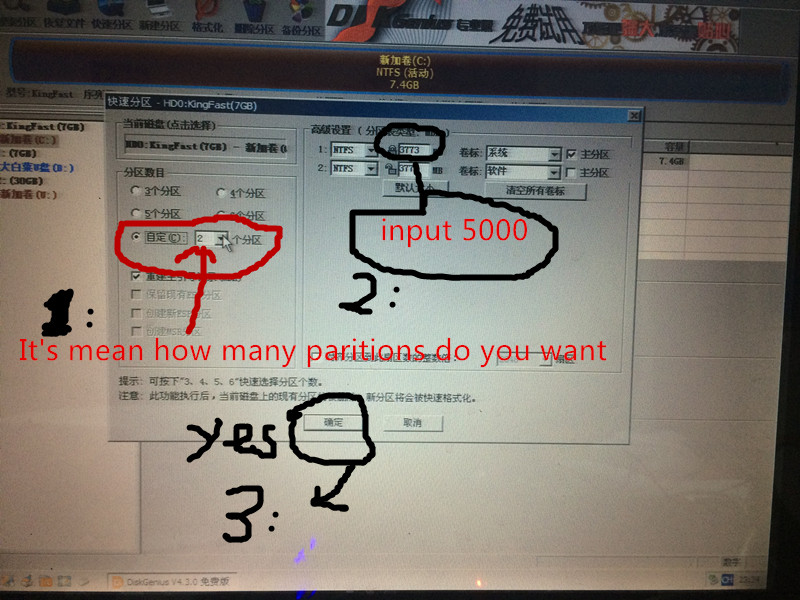
Step 1: Make a bootable flash usb driver as the following pictures

Install the software “make bootable USB software.exe ” on your computer, then open it to make the bootable flash usb driver.

The important step: Copy the xp.gho to the usb dirver

Step 2: Use your UBS driver into the PE system

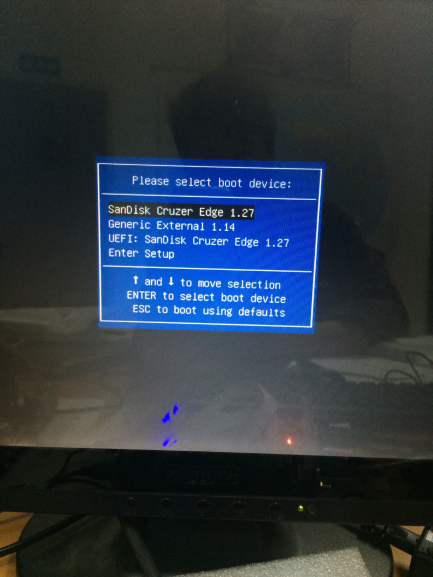
Put your USB driver on your mini pc that you want to re-install the system, then turn on your mini pc and press “F11” then you will see the picture:

Select your USB Driver like “SinDisk Curzer Edge 1.27” then press “Enter”

Re-start your computer after above steps finished.

Video – How to assemble EGLOBAL Fanless Mini PC M3 serial

Usually we assemble a complete Mini PC well for our customers, but a few customers ask us to send bulk packaging to them in order to avoid high customs tax at local. If you don’t know how to assemble welcome to copy the demonstration video link of EGLOBAL Mini PC M3 serial for your reference.

Step 1: https://youtu.be/FxlMGwR17jE

Apply a few thermal grease between heat sink and motherboard is an important step. Fix the motherboard on the EGLOBAL Mini PC case by screws.

Step 2: https://youtu.be/3nNzaCkLKzQ

Fix the motherboard on the EGLOBAL Mini PC case by screws and install the case frame well.

Step 3: https://youtu.be/tyf12_XIFg8

Install the WiFi RF cables, you shall use the WiFi washer and WiFi screws to fix the two external WiFi antennas.

Step 4: https://youtu.be/PO3F9W68klU

Install the WiFi module, RAM and Storage on the correct slot of this motherboard.

New Arrival Mini PC Computers V310 Launched By Eglobal MiniPC Factory VS Intel NUC PC

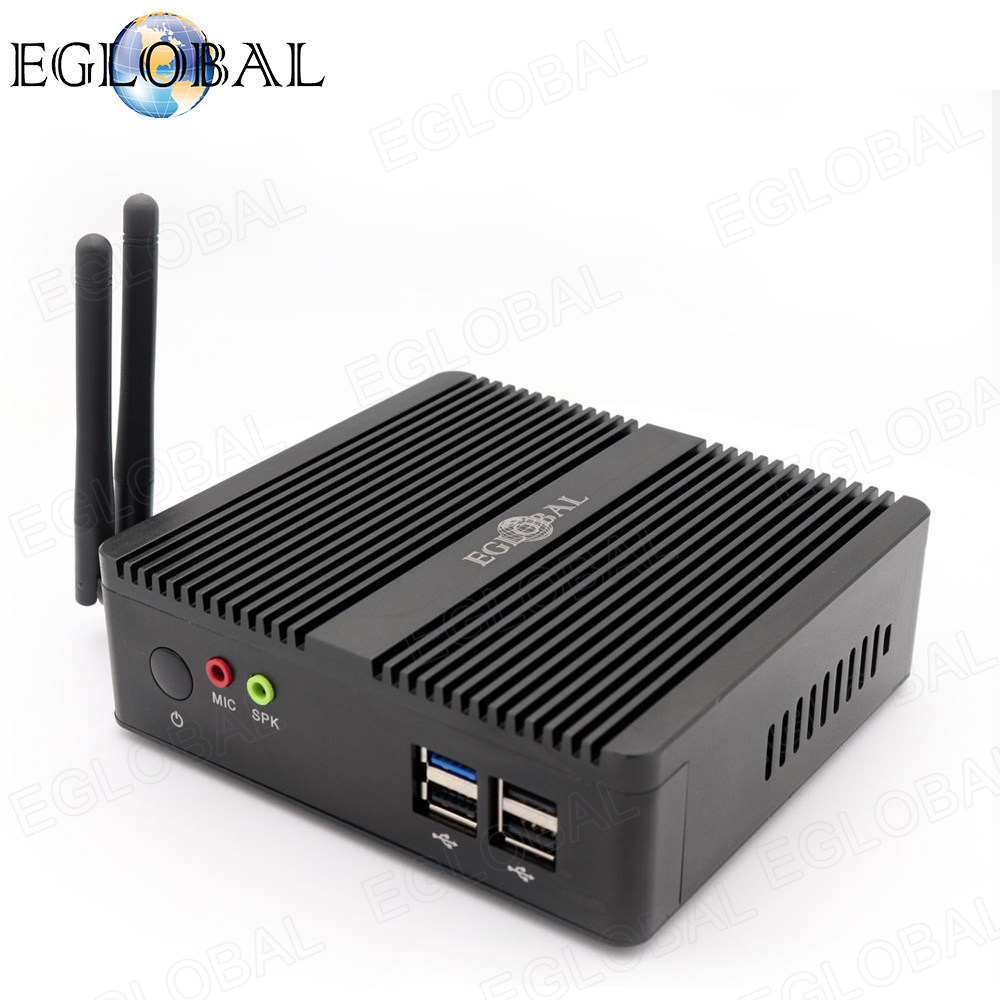
New arrival V310 is an affordable series of Mini PCs launched by Eglobal MiniPC factory. Smart tiny case 137x150x50mm hold by a hand, adopting 8th Gen Intel processor onboard, it’s possible to configure quite the capable computing machine without requiring some desk or floor space for a bulky case. The new Mini PC has dual gigabit RJ45 LANs, separately using Intel chip and Realtek chip. 2xSODIMM DDR4 memory slot up to 32GB more fast speed and M.2 NGFF/NVME SSD slot improve work efficiency and give you a smooth experience. V310 Eglobal Mini PC with rich interfaces: USB, Type-C, SD Card, DP, HDMI, etc. to connect with more devices. Widespread applications such as office, school, bank, supermarket, service center, hospital, POS, HTPC, CCTV, etc. The only issue with the Eglobal Mini PCs is the choice available. There are many different configurations you can go for, which can be rather daunting to anyone who’s new to the series of hardware.
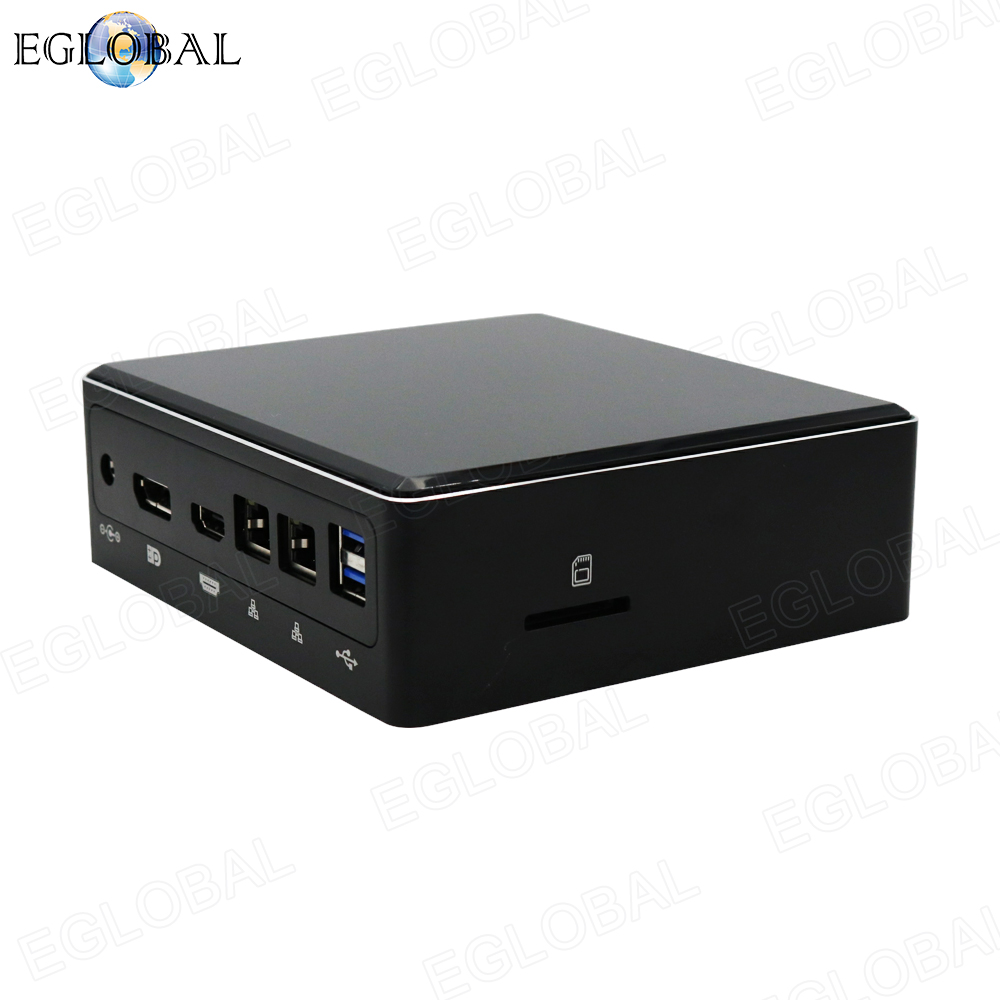
I’m going to run you through what you should consider, as well as a few examples to get you started.

Eglobal MiniPC factory offers various options when it comes to the Mini PCs. Multiple processors come from Intel company, including Celeron and the trusty Core i7. The question you need to answer before looking at a Eglobal Mini PC is what you plan to do with it. Should you require a capable machine that can not only handle processing of media and daily computing tasks but perhaps a little gaming on the side and consuming some 4K content, you’ll get by with the more affordable options with a Celeron processor, recommending Eglobal Mini PC M series we introduced before, like M3-N2955 with Intel Celeron 2955u CPU onboard, M3-N3150L with Intel Celeron N3150 CPU onboard, or M9-J1900 with Intel Celeron J1900 CPU onboard.

Moving up into Core i3, i5, and i7 territory is where the Eglobal Mini PCs gets really interesting. You can pick up the newest Mini PC V310, for example, which comes packing an Intel Core i7-8550U processor clocked at 4.0GHz, 16GB of DDR4 RAM, and a 512GB NVMe SSD with Windows 10 pre-installed. Considering the form factor, it’s an incredibly powerful machine and would gladly handle even more demanding applications.

Another thing to note with the different SKUs is the cheaper you go the more likely it is you’ll need to pick up RAM and an SSD yourself since these will not be covered by a sub $300 price.

Comparing different SKUs between Eglobal Mini PCs VS Intel NUC

I’ve selected a few options from the vast collection of Eglobal Mini PCs and Intel NUC offerings to show some different configurations and price points. Price of Eglobal Mini PCs include free shipping all over the world, Eglobal MiniPC factory also provide drop-shipping service for free.

CategoryProcessorRAMStoragePrice
M3-N3150LIntel Celeron N3150 2.08GHzN/AN/A$108.7
M9-J1900Intel Celeron J1900 2.41GHzN/AN/A$139
V310-8250UIntel Core i5-8250U 3.4GHz8GB
DDR4
256GB
NVMe
SSD
$337.27
V310-8550UIntel Core i7-8550U 4.0GHz16GB
DDR4
512GB
NVMe
SSD
$478.14
Intel NUC 5CPYHIntel Celeron N3050 1.6GHzN/AN/A$126
Intel NUC 7i5BNKPIntel Core i5-7260U 2.2GHz8GB
DDR4
256GB
NVMe
SSD
$639
Intel NUC 7i7BNKQIntel Core i7-7567U 3.5GHz16GB
DDR4
512GB
NVMe
SSD
$899

If you’re new to the whole world of Mini PCs or do not require anything powerful, the Intel Celeron is a capable processor. Throw in 8GB of RAM and an SSD and you’ll be ready to go. The Core i5 and Core i7 Mini PCs are in a different league. While they may not sport desktop-class Intel processors (only laptop ones here, I’m afraid), the performance available is superb.

Our four selections are $337.27, $478.14, $639 and $899, respectively. These four SKUs come with 8GB and 16GB of RAM and more than 256GB of internal storage, making it possible to simply plug them in to get going. Eglobal Mini PCs are with high cost performance, contain advanced internals that transforms the small box into a workhorse and makes it possible to enjoy high-quality content and power through work all-day long, but Intel NUC PCs are expensive up to double than Eglobal Mini PCs.