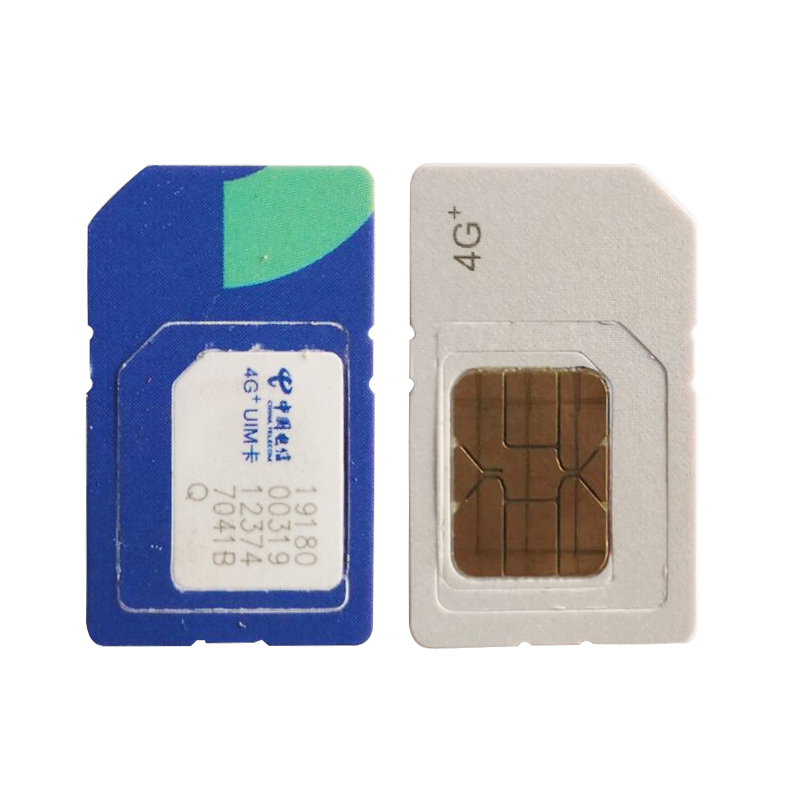
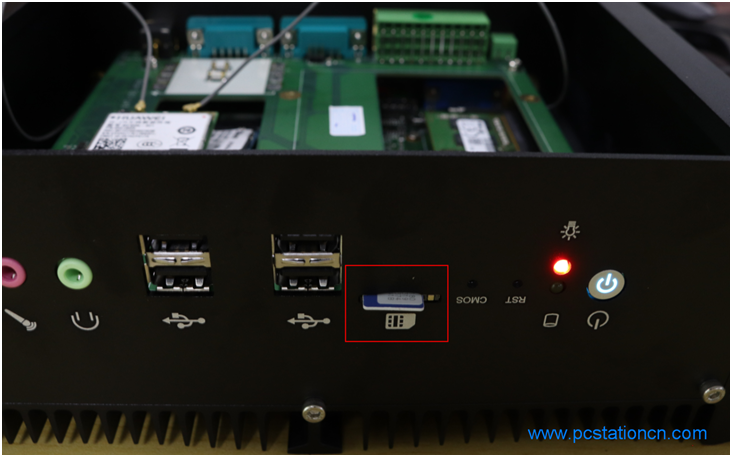
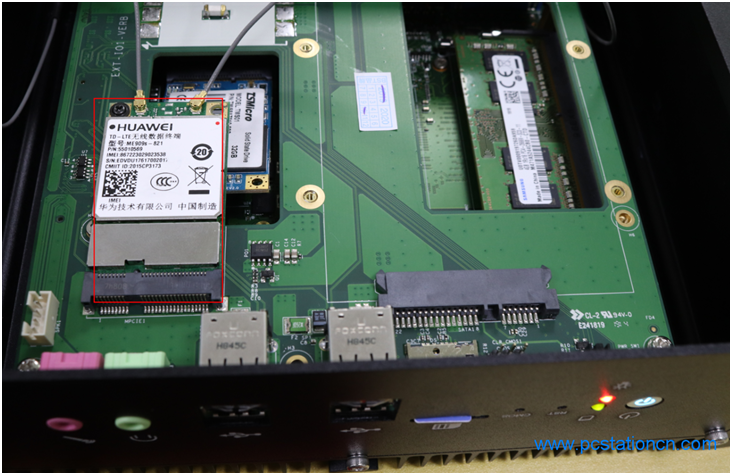
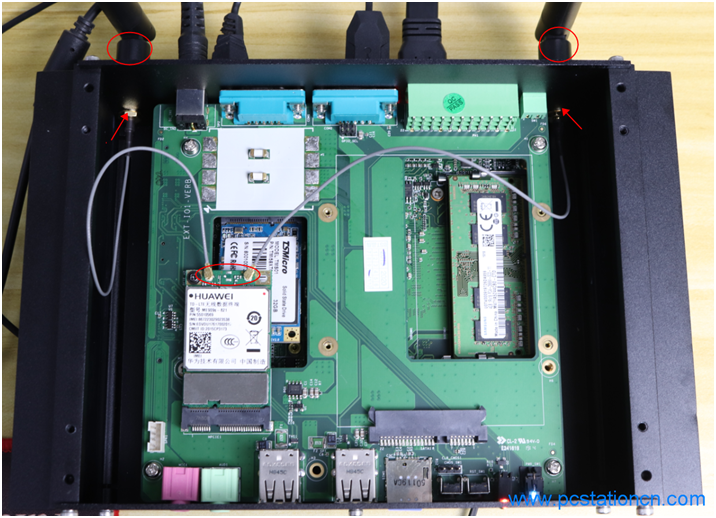
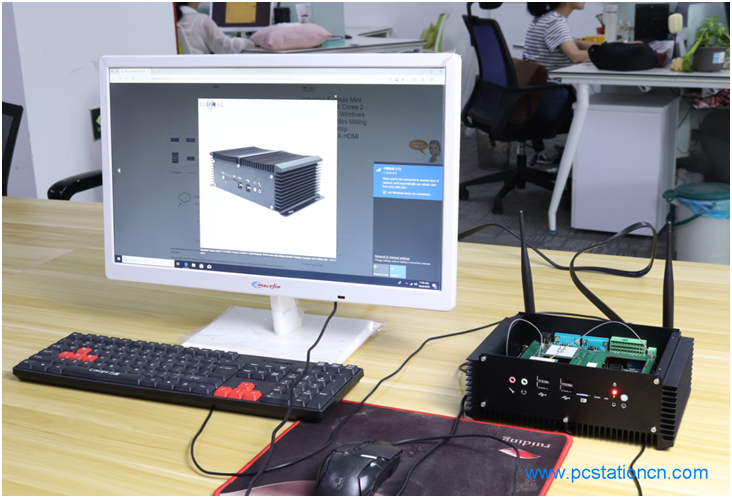
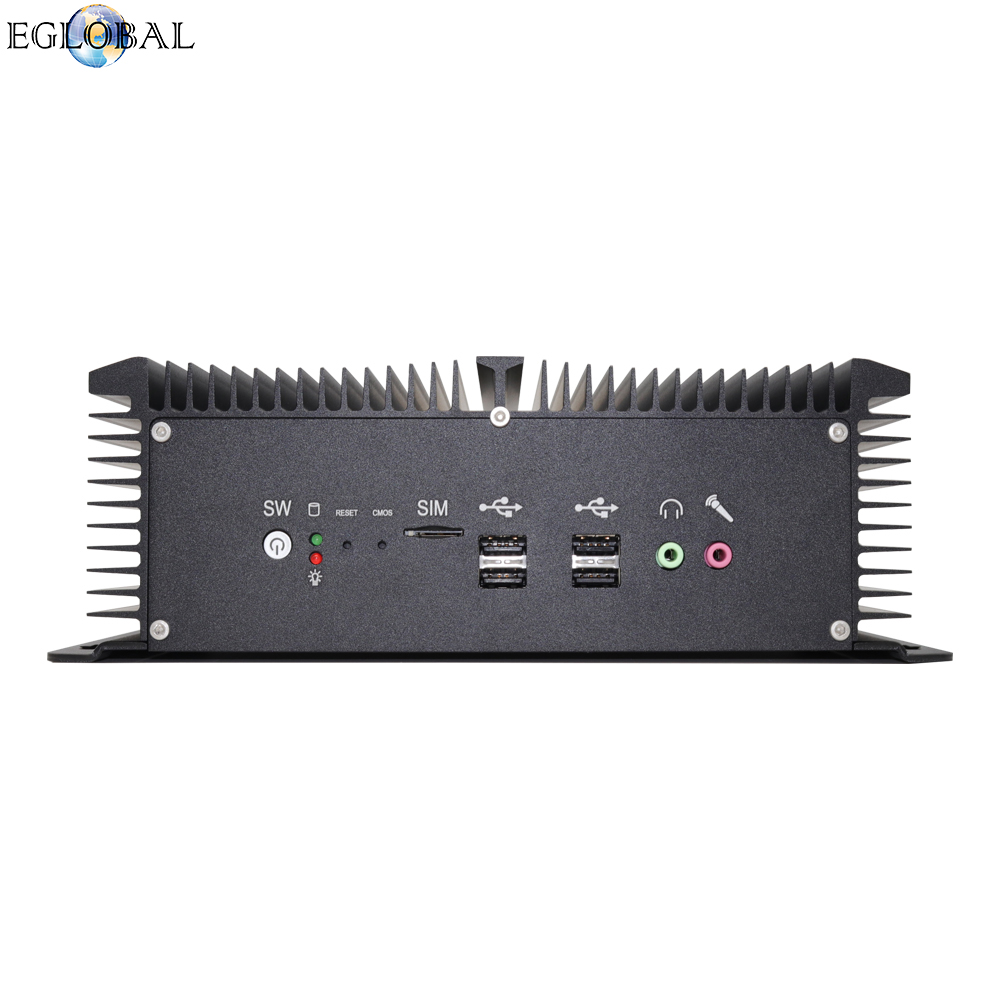
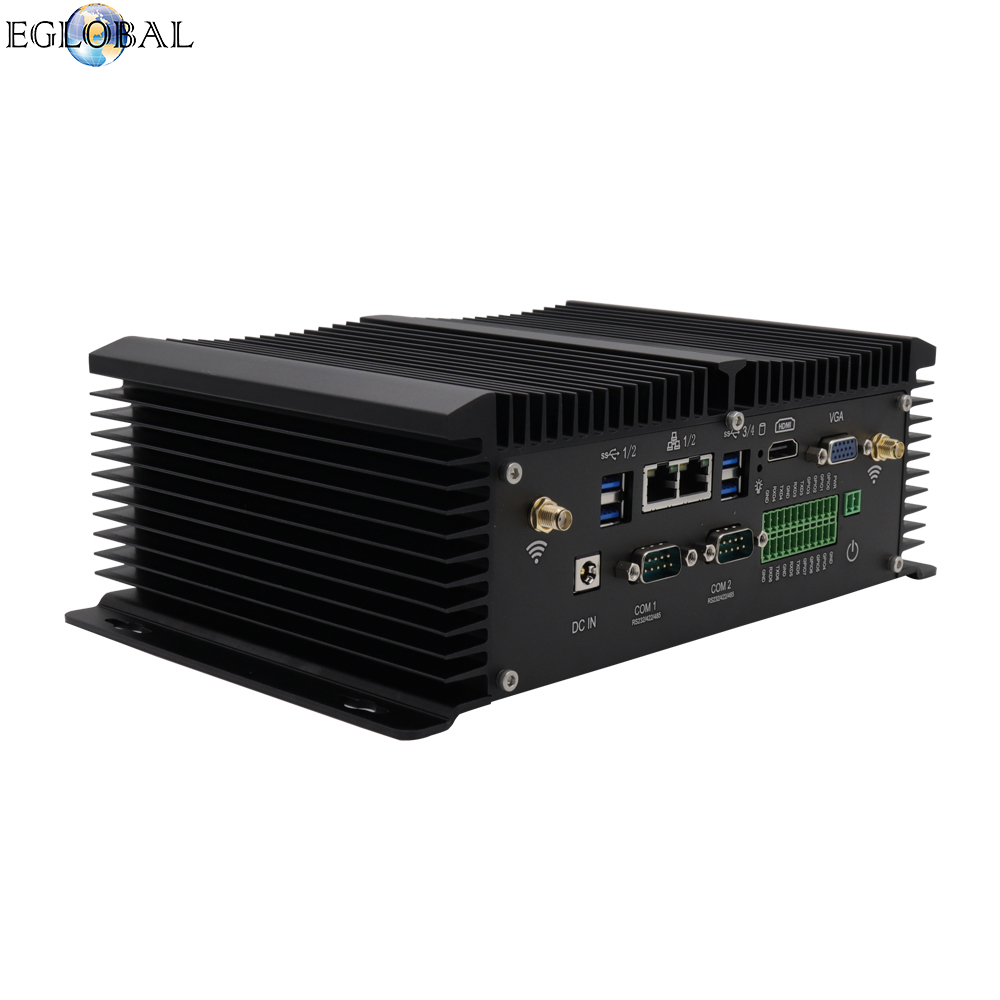
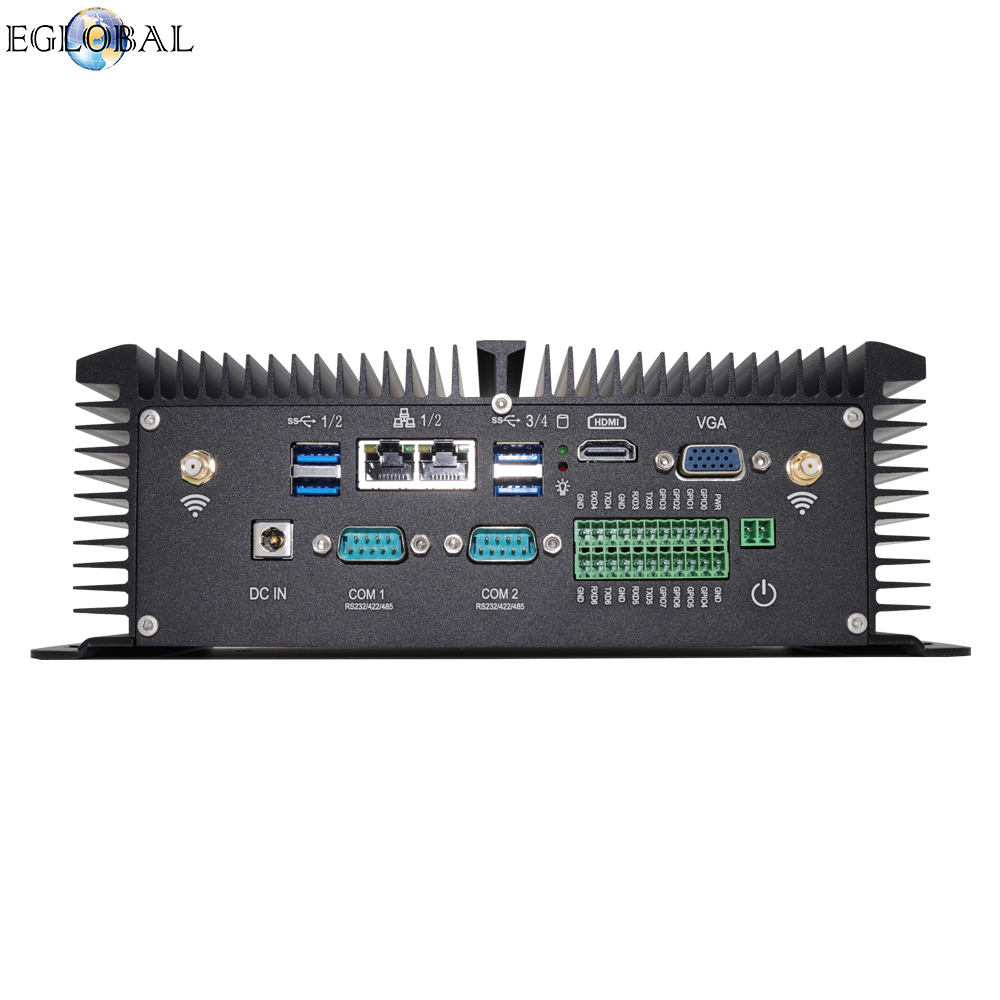
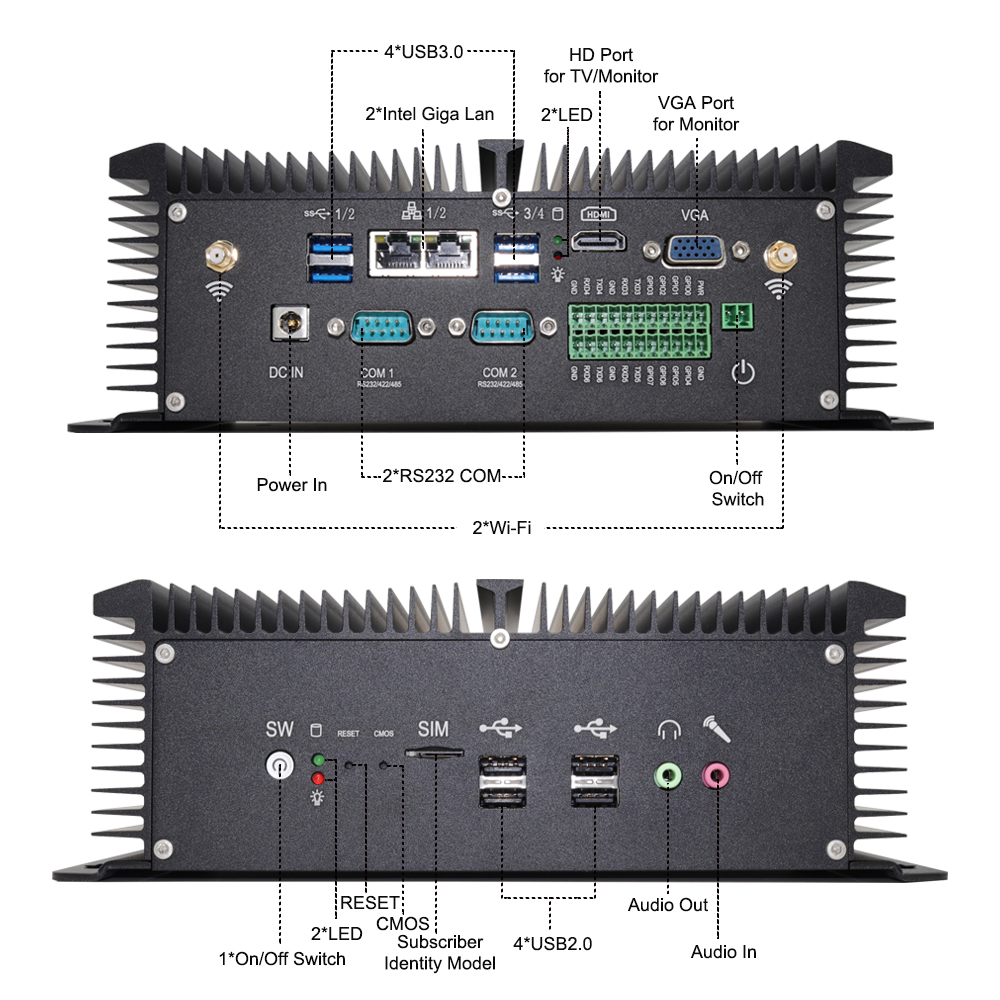
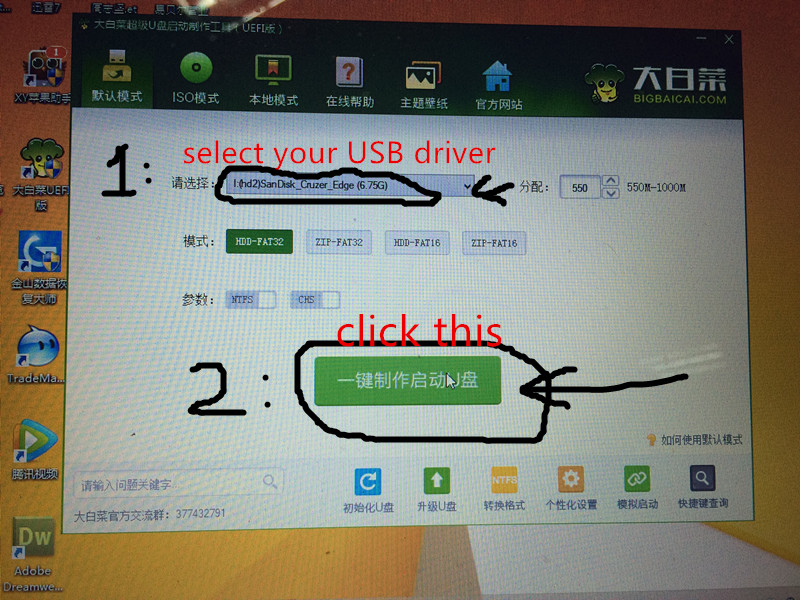
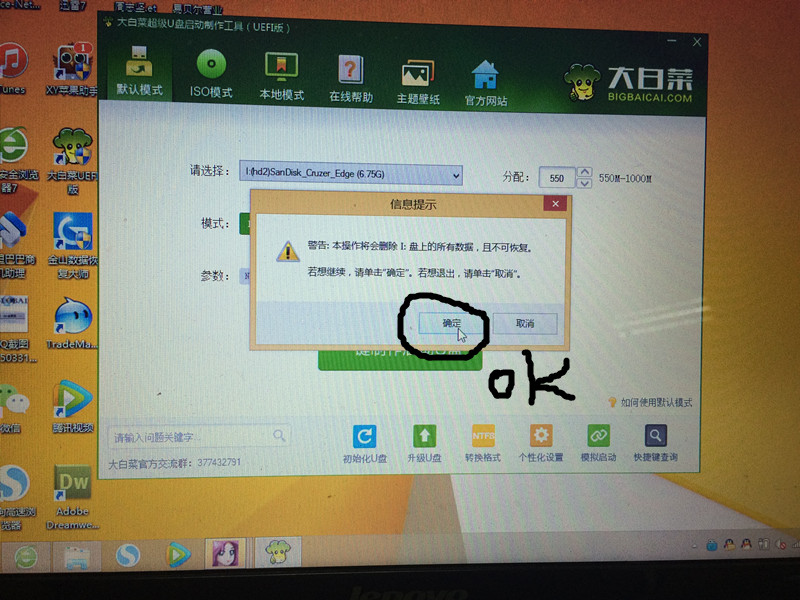
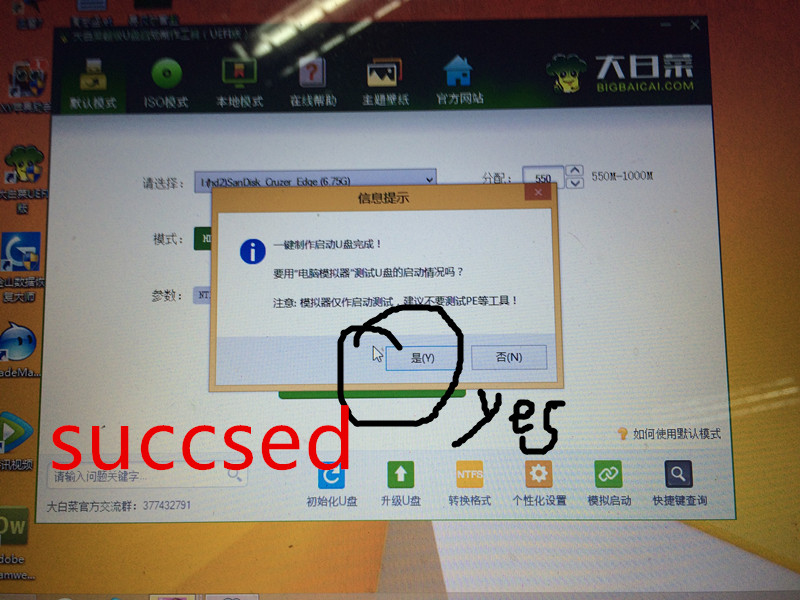
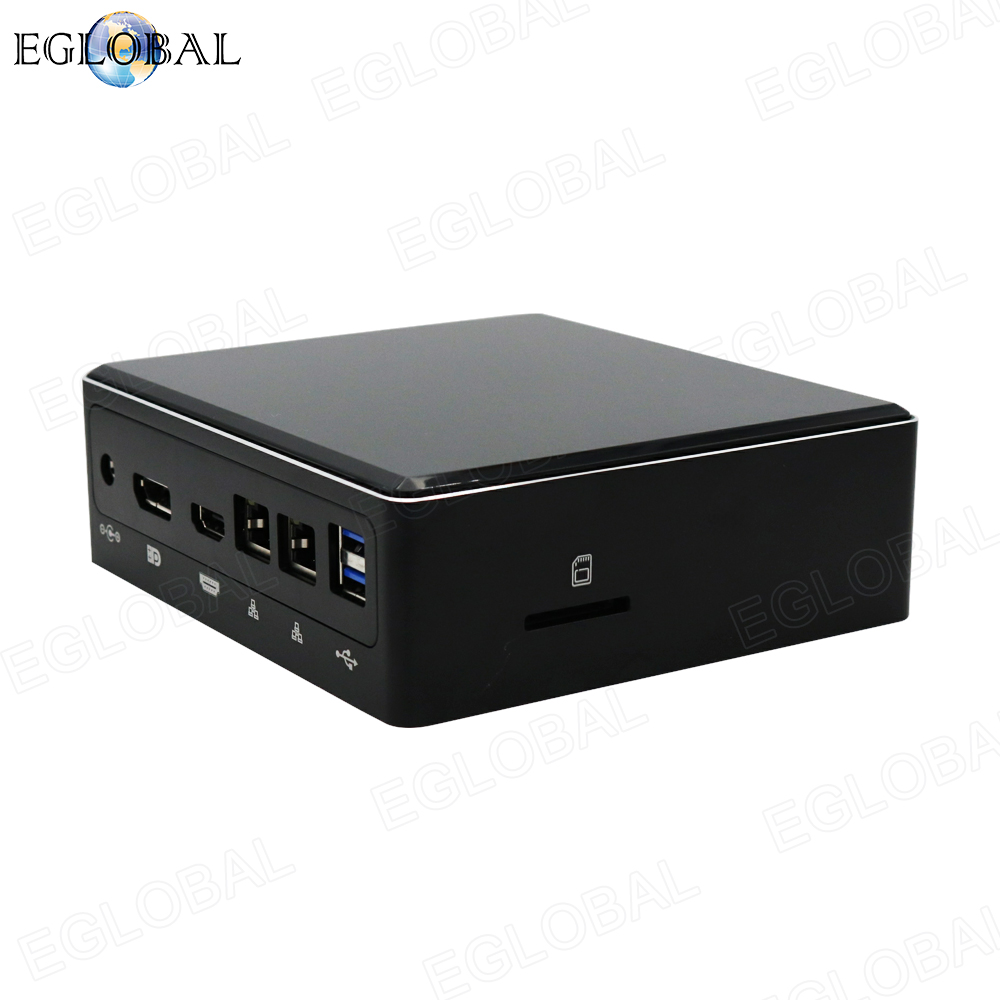
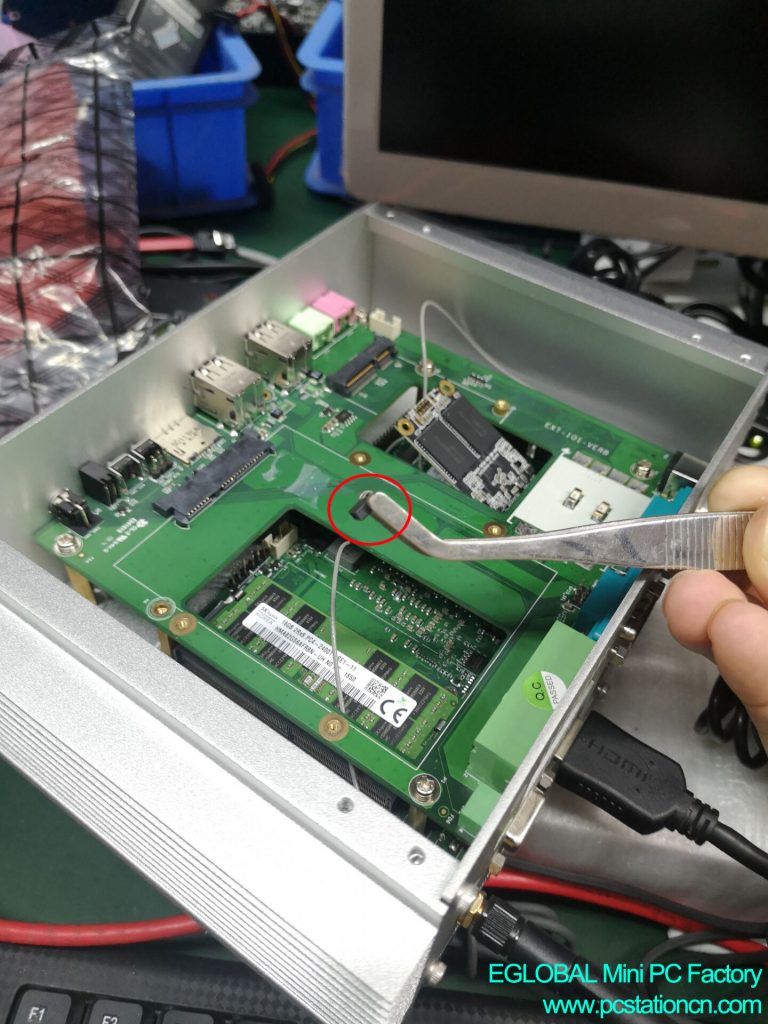
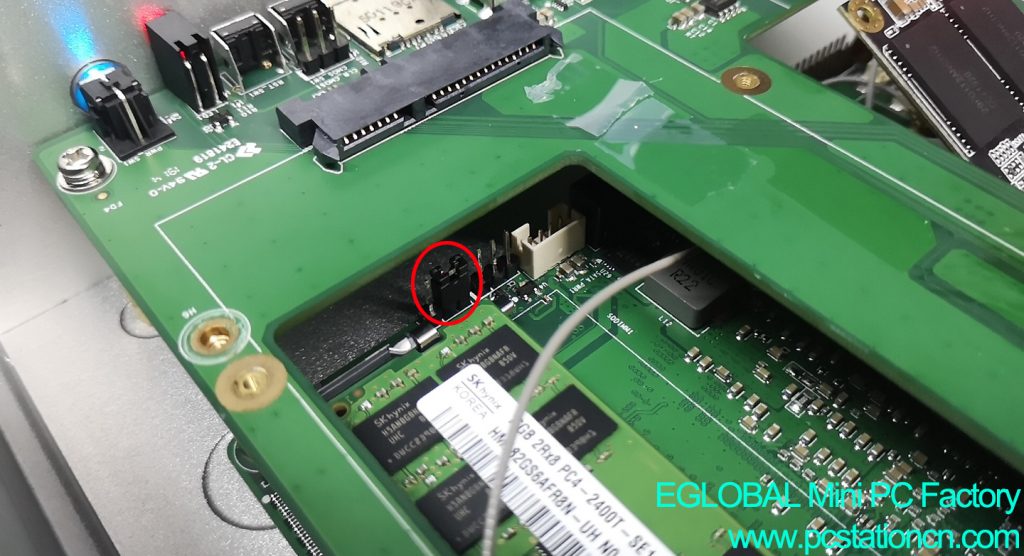
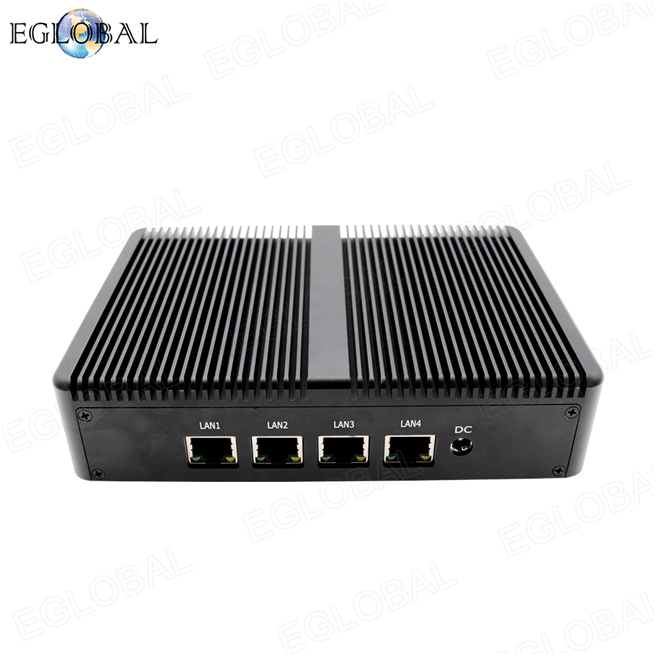
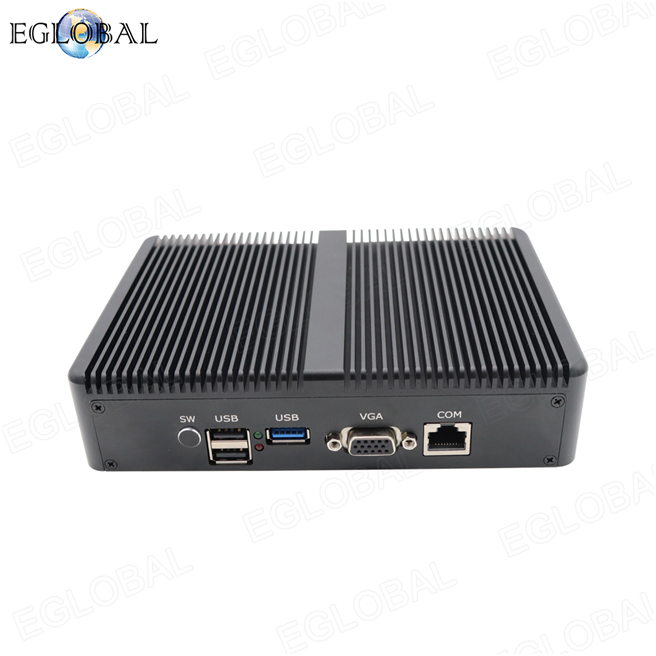
Industrial Fanless Mini PC Computer G4 series can auto power on through adding a jumper. Here is the steps with pictures:


Industrial Fanless Mini PC Computer G4 series can auto power on through adding a jumper. Here is the steps with pictures:


Before MSATA SSD and SATA HDD/SSD are often used for traditional desktop computers or nowadays smart mini pc. Since technology is developing gradually, more Eglobal Barebone Mini PCs with M.2 SSD slot are coming out. You will learn more about M.2 SSD after reading the article and know how to match the proper M.2 SSD on our Eglobal Barebone Mini PCs.
As we know M.2 is a new SSD slot, but not all M.2 slot can install different kinds of SSDs. Why some M.2 SSDs have two notches, some have one notch? Let us know more about that.
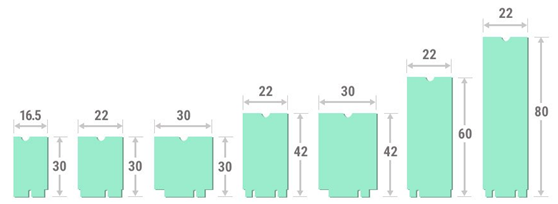
M.2 2242 and M.2 2280 are usually used for most of M.2 modules. In addition, M.2 also provides a variety of standard specifications. A basic principle is that the small size can be installed in a large volume slot, and the M.2 2242 is more flexible than the M.2 2280.

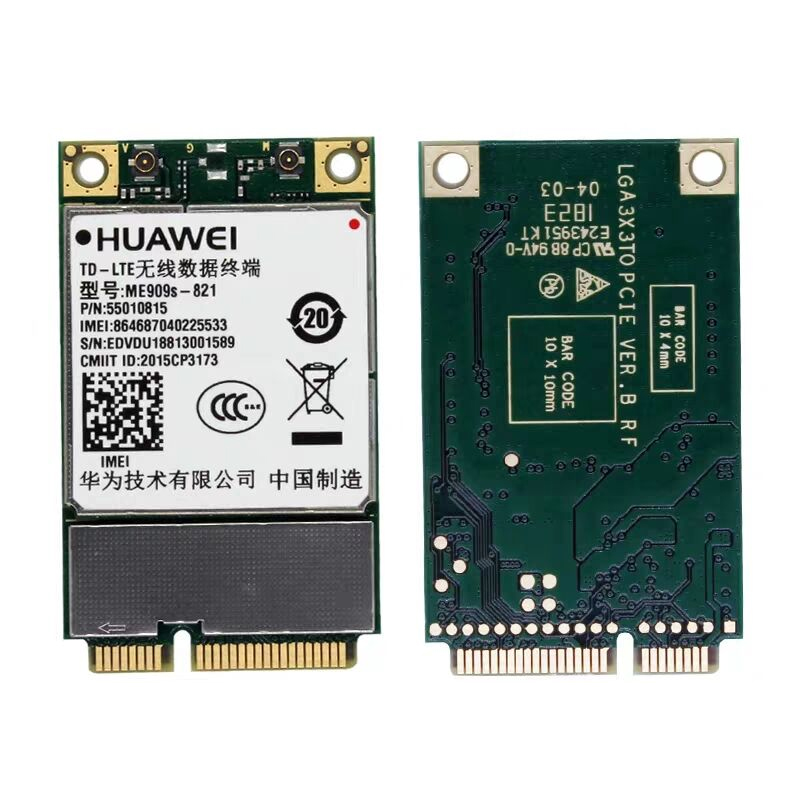
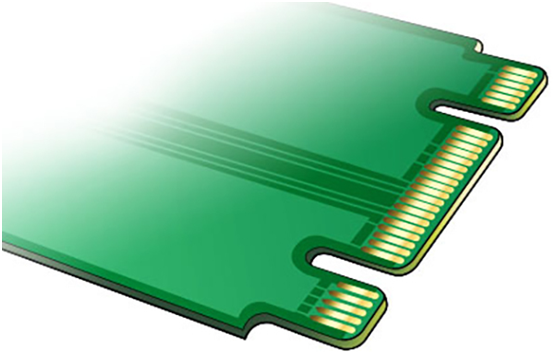
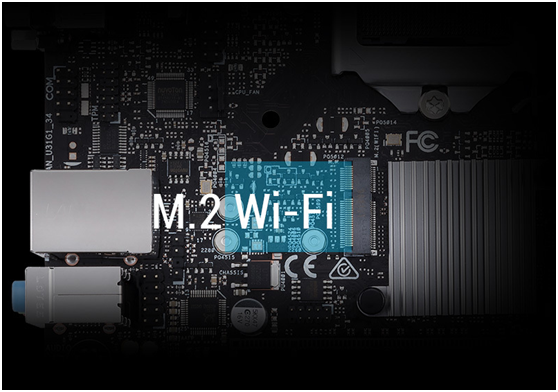
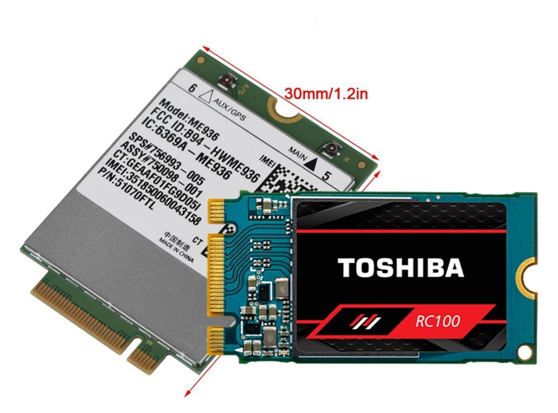
Not all M.2 slots are used for SSDs, for example the M.2 E Key slot in the following picture is reserved for wireless module. You will find the location of E key is different from the B Key on a common SSD if you observe carefully. The M.2 slot is the location of the notch to express the type of M.2 device that it can support.

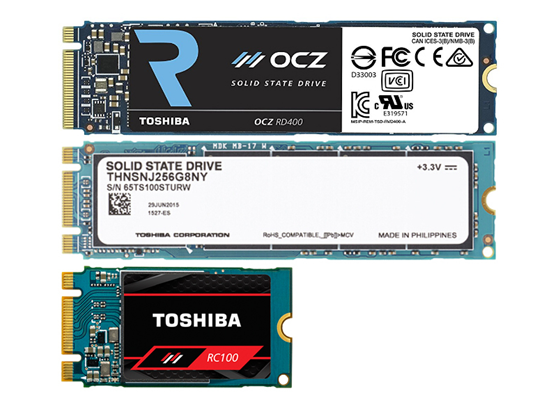
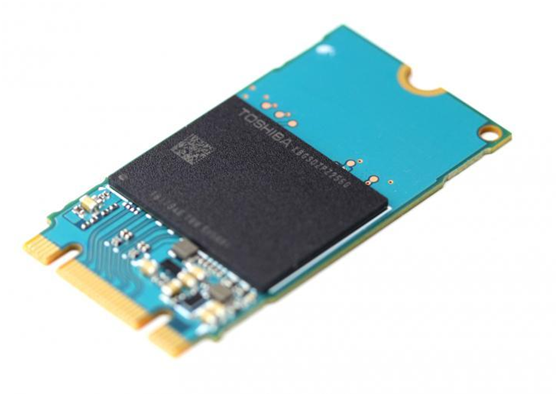
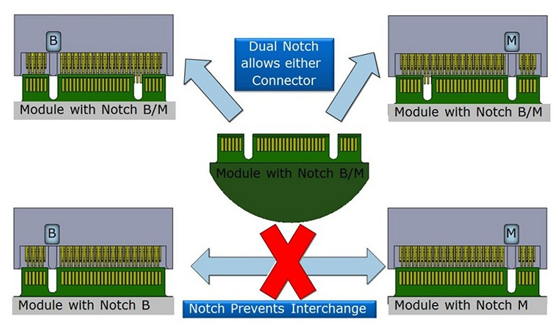
The common M.2 SSDs have two types: one notch(M Key) and two notches(B Key). From top to bottom, Toshiba RD400 NVME SSD, Toshiba Q200 240G M.2 SSD and Toshiba RC100 NVME SSD, are respectively corresponding to PCIE NVME, SATA AHCI and PCIE NVME interfaces. That is to say, the two notches of the M.2 SSD may be either the NVME protocol or the SATA protocol, and one notch(M Key) is usually possible with the NVME protocol only.

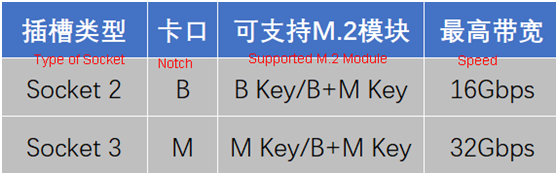
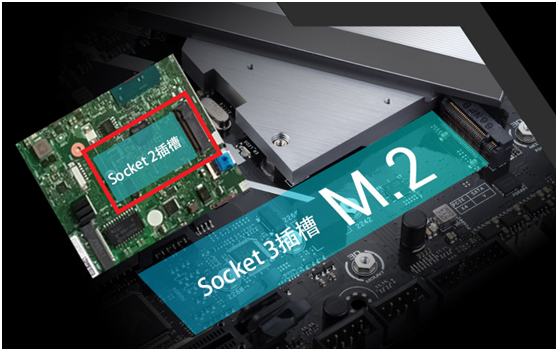
Corresponding to the SSD, there are some differences in the position of the bayonet on the M.2 slot. The figure below compares the two most common M.2 slots: Socket 2 and Socket 3. Socket 2 supports PCIE x2 or SATA, while Socket 3 supports PCIE x4 or SATA.

The conclusion is clear now. Due to the limitation of the slot, the SSDs with two notches(B+M Key) can be installed in the M.2 slot of Socket 2 or Socket 3, and the SSDs with one notch ( M Key) can be installed into the Socket 3 only.

The SSDs with two notches can only support PCIE x2, which will limit the continuous read and write bandwidth, but the 4K random read and write performance that determines the daily performance is not affected.

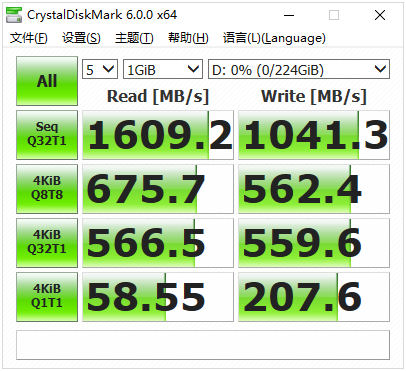
Although the PCIEx2 has limited performance, there are also excellent products. For example, Toshiba’s mini NVME SSD – RC100 uses the B+M Key, while maintaining excellent compatibility, the 4K random read speed reaches 58.55MB/s, which is consistent with the high-end flagship NVME SSD.

Benefiting from the dual bayonet features of the B+M Key, the RC100 can even be installed in the M.2 2242 slot reserved for the 4GB wireless module(B Key) and works normally. Players already use them in the Thinkpad T470p and other models. This particular usage was verified.

In summary, starting from the ultimate performance, M.2 NVME SSDs with a notch(M Key) is the strongest(not 100% certain, depending on the main control specification); from the compatibility, M. 2 SATA SSDs with two notches are better (such as Q200 M.2); for both performance and compatibility, M.2 NVME SSDs with two notches(such as RC100) are ideal.

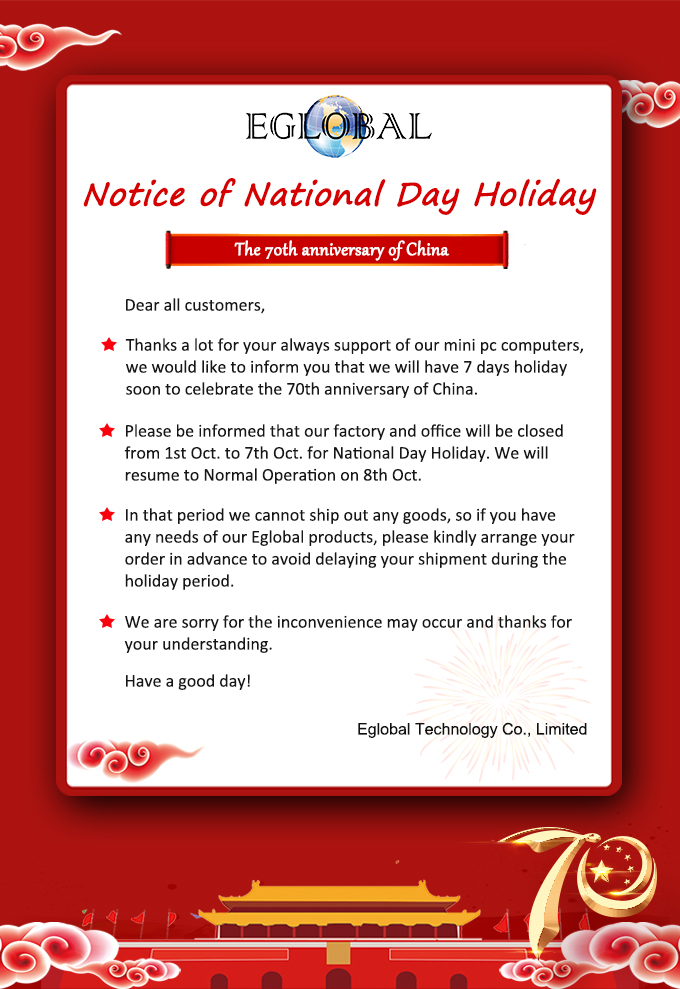
| Dear all customers, Thanks a lot for your always support of our mini pc computers, we would like to inform you that we will have 7 days holiday soon to celebrate the 70th anniversary of China. Please be informed that our factory and office will be closed from 1st Oct. to 7th Oct. for National Day Holiday. We will resume to Normal Operation on 8th Oct. In that period we cannot ship out any goods, so if you have any needs of our Eglobal products, please kindly arrange your order in advance to avoid delaying your shipment during the holiday period. We are sorry for the inconvenience may occur and thanks for your understanding. Have a good day! Eglobal Technology Co., Limited |


Do you know how the Fanless Mini pc heat dissipation?
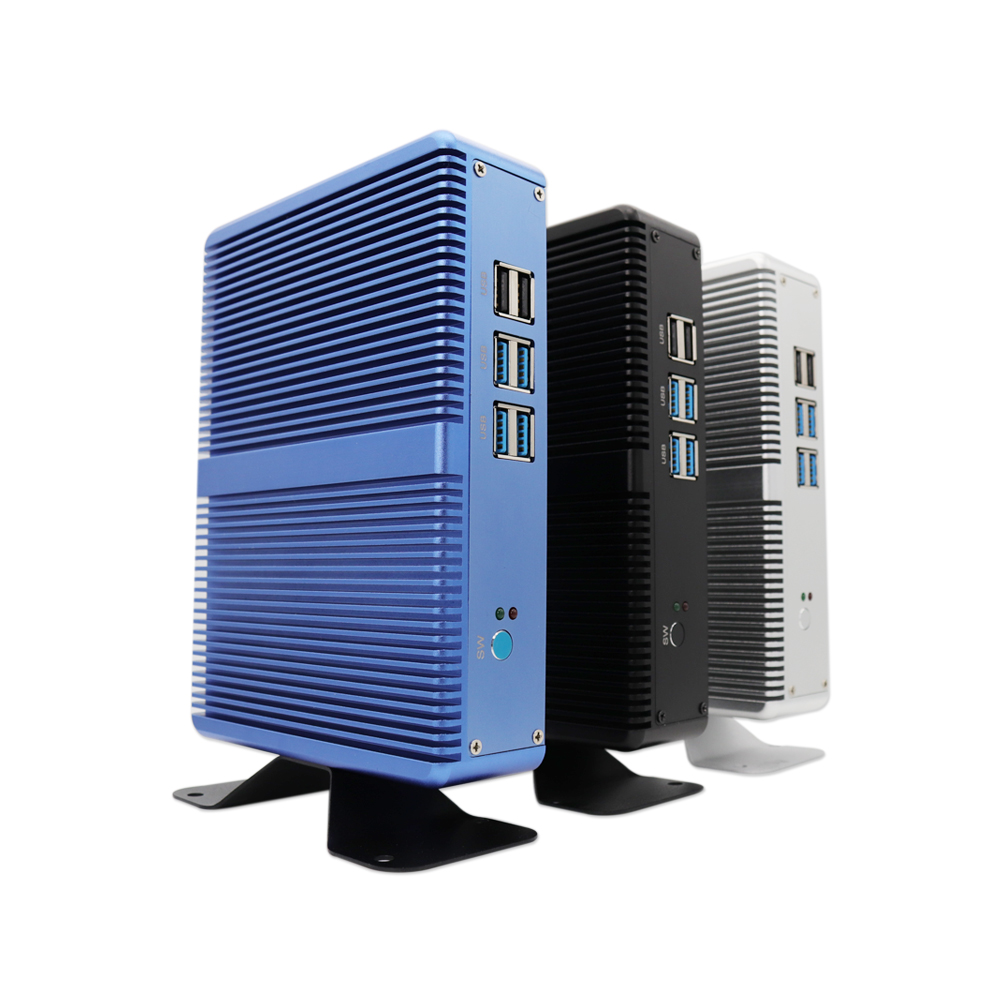
Our M3 series mini pc computer, the case only 173x127x39mm is made of 100% Full Aluminum Alloy material with high-quality crafts for heat dissipation without a cooling fan and no any noise, the motherboard is also customized 120x120mm which match with the case perfectly. Any colors can be customized such as black, silver, blue, purple, etc, too.
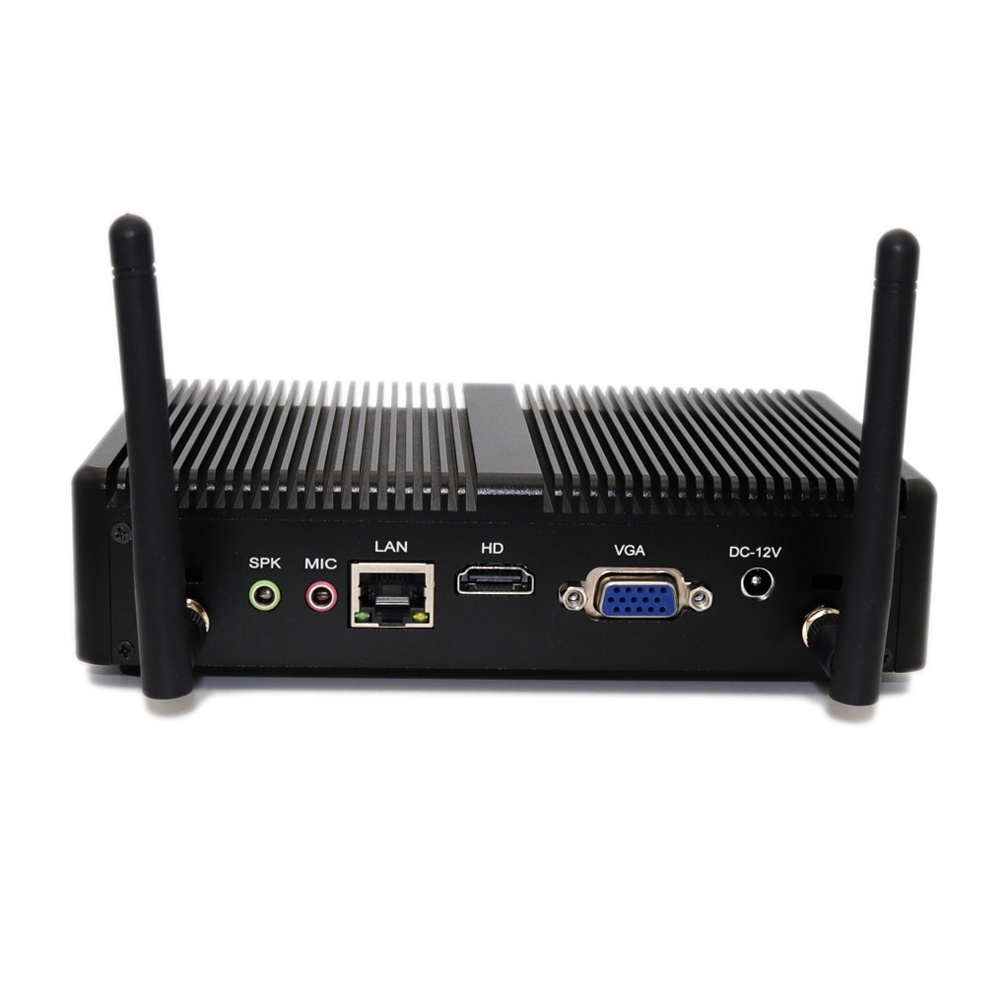
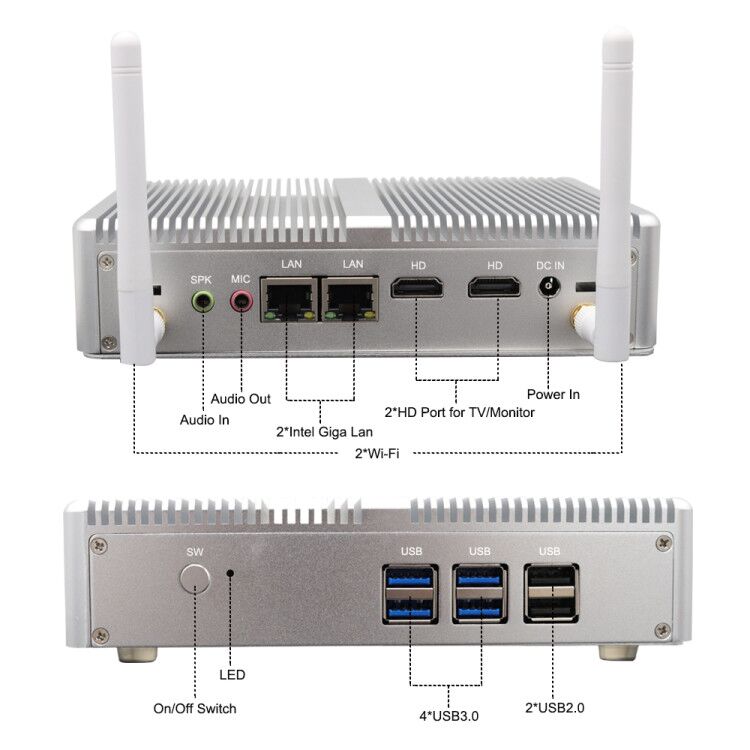
M3 serial is our 2019 hot selling cheap series fanless mini pc with windows or Linux operating system pre-installed, lots of onboard processors are available, including the Intel Celeron 2955u, Intel Celeron N3150, Intel Celeron J1900, Intel Pentium 4405u, Intel Pentium 4415u, Intel Core i3-4010u, Intel Core i5-4200u, Intel Core i7-4500u, Intel Core i3-5005u, Intel Core i7-5500u, Intel Core i3-7100u, Intel Core i5-7200u. Also the interface also can be optional. VGA, HDMI, LAN, MIC, SPK, USB rich ports on the M3 series mini pc . If you need 2 RJ45 Gigabit LANs and 2 HDMI ports, mini pc M3-N3150L can satisfy your needs. New arrival fanless mini computer M3-J1900L4 with 4 RJ45 Gigabit LAN ports, VGA, RJ45 COM, USB ports can work as a router.
The M3 series mini pc with two Kensington Lock holes on the case can protect the portable device with a Kensington lock. The lock is inserted through the hole with a cable that can be attached around a table leg or another secure location, so no one can take away with the mini pc while you are away, make the computer is safe in school, office, hotel or other applications.
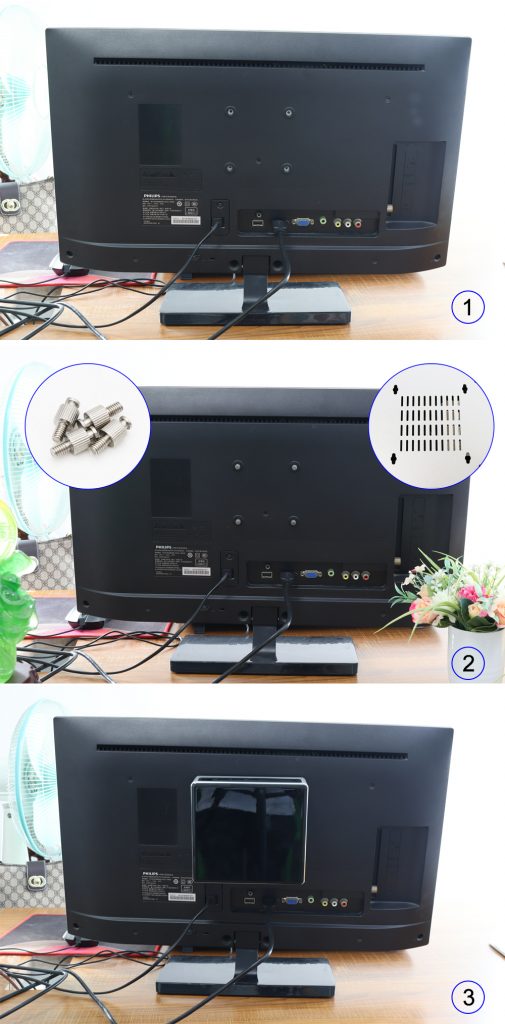
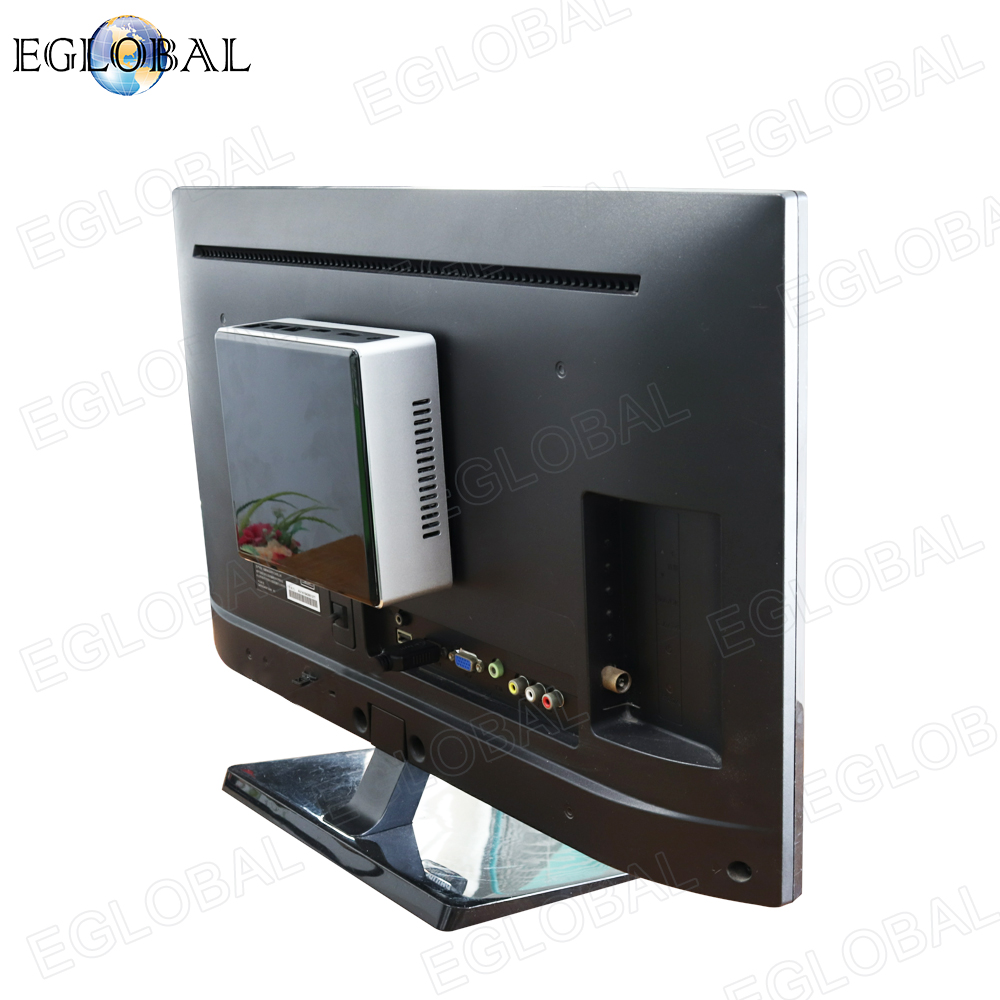
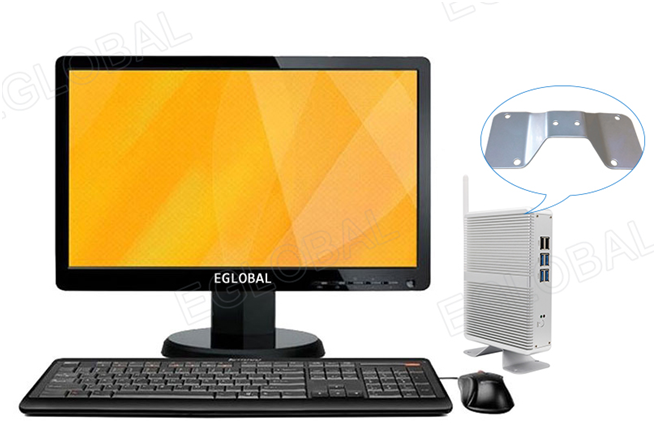
A metal bracket comes with the mini pc as default accessories into the each package box that fix the bracket using two screws to let the computer stand vertically near your monitor. You also can mount the mini pc back of monitor using the metal bracket to keep your desk more tidy and save much space on your desk. The mini pc M3 also can support standard VESA mount fixed back of monitor or TV if needed.
Lots of customers like to market our mini pc with their own logo. It is easy to make your own logo into the booting interface of the mini pc , and its case is fit for laser-printing because there are 3 pieces laser printing machines in Eglobal factory. And the bottom of the mini pc M3 also can stick your own label. Eglobal can provide drop shipping service for free if you are willing to sell ” EGLOBAL” brand at local.
The mini pc M3 is priced from $65 to $175 depending on the configuration. Each month sales volume of M3 serial up to 3K mainly export to the area Africa, India, Chile, America, etc.

Fanless Mini PC M3 series:


Fanless Mini PC M3-N3150L with dual gigabit LANs:

Fanless Mini PC M3-J1900L4 with 4 gigabit LANs:


Not every EGLOBAL Mini PC Computer support AWAL function, please check with our sales person to confirm before placing the order. Some customers will use AWAL function of EGLOBAL Mini PC Computer, how to setup? Please kindly refer to the following steps and the video link on YouTube: https://youtu.be/ZwVLJQ_BFtQ
1. Press ” Delete ” to enter BIOS when starting the PC;
2. Select “ Chipset ” and Press “ Enter ” into “PCH-IO Configuration” ;
3. Select “ Restore AC Power Loss ” and setup “ Power on ”;
4. Press “ F10 ” and Select “ YES ” to save the setting and re-start the machine.
Welcome to subscribe to ” Eglobal Technology Co., Limited ” on YouTube or Facebook.

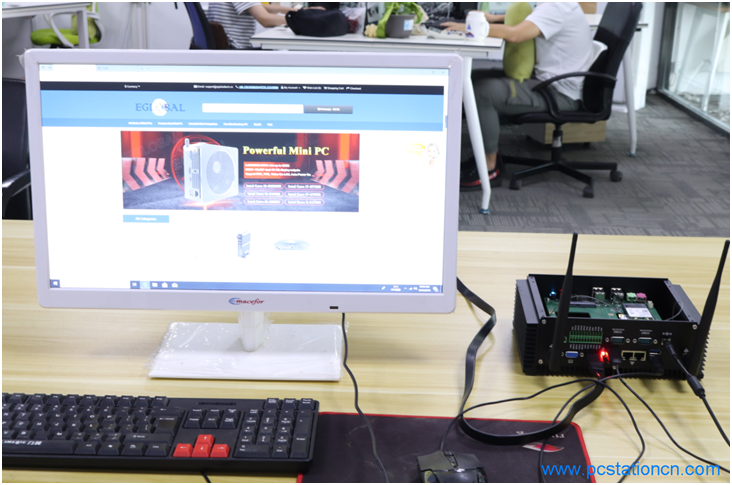
What’s this? Is it a TV box, a Router, a Radio, a DVD, a Gaming box? Oh, no, the product is manufactured by a domestic mini pc computer supplier EGLOBAL called Mini Computer, model number is MU01. Its size is rather smaller than a hand, similar with the common Intel NUC, product dimension of the mini pc is only 128x128x38mm and net weight is only 0.8kg. You can take it here and there in your pocket so that we usually call it as ” Pocket PC”.

MU01 is a powerful mini PC although its size is so tiny with entertainment, gaming, and productivity features, including a 100x100mm customizable board that is ready to accept the memory, storage, and operating systems that you want. Ready to use coming with Windows 10 OS as a complete Mini PC.

The system MU01 is covered by 95% Aluminum Alloy material for cooling, also assembled with a silent copper fan as heat-sink for 7×24 hours stable performance. There are 4 types of CPUs onboard for your options: Intel core i7-8565u, Intel core i5-8265u, Intel core i3-8145u and Intel Pentium Gold 5405u, using Intel Whiskey Lake chipset and Intel® UHD Graphics, but low consumption TDP only 15W save much energy and more eco-friendly. Meanwhile the mini pc MU01 supports 2xDDR4-2400 1.2V Non-ECC laptop ram slots up to 64GB and 1xM.2 PCIE*4/SATA3.0 SSD(22×80)+1×2.5” 7.0mm SATA HDD/SSD.

How to connect the monitor or TV? The mini pc MU01 is with HDMI2.0+DP 4K@60Hz dual display ports which can let you enjoy movies more smoothly. When you use it at home, if there is no network cable although the system with a gigabit LAN port, don’t worry, the mini pc is with one M.2 NGFF slot for Wi-Fi & Bluetooth module to connect network through wireless signal. The Pocket PC MU01 has one Type-C USB3.1, 4 USB3.0 and 2 USB2.0 to use more equipments.

In order to keep your desk more tidy and save much space, the mini pc MU01 can be mounted back of monitor or TV by free VESA bracket coming with the computer as this set into the each package box.
Lots of customers like marketing by their own logo. It is easy to make your own logo into the booting interface of the system MU01, and its surface is fit for laser-printing. By the way, the bottom of the mini pc MU01 also can stick your own label.
The Eglobal Mini PC Computer MU01 is newest selling, and is priced from $150 to $700 depending on the configuration.

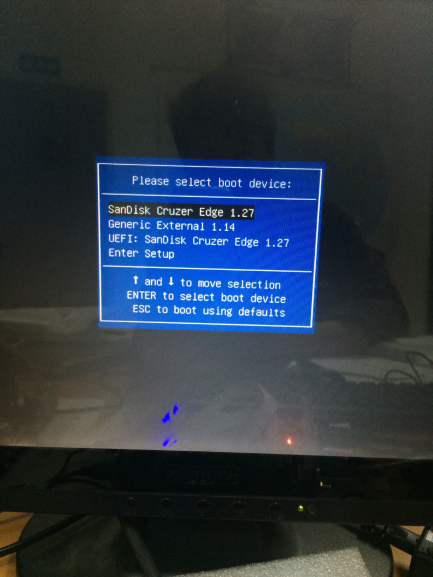
Our mini computers are usually booted from the hard disk, but when some need, it may be set to boot on some peripherals (such as USB flash drive or mobile hard disk). In this case, the boot has a non-hard disk boot, how to going to modify the hard drive to boot?
First of all, if we open a mini computer, we need to restart the mini computer at this time. If you don’t have a mini computer, just press the power button. (PS: Try to close all programs, this will minimize the damage to the mini computer)

After restarting, you must pay attention to the English of the page on the boot page. At this time, you need to remember to enter the BIOS setting keyboard button (PS: Different computer’s entry BIOS settings are different, you must not press it randomly, according to the boot page to determine.)

At this point, enter the BIOS setup window, we need to find him “Advanced BIOS (Advanced BIOS function) options”, look carefully, you will find, and then double-click it to enter a new page. Of course, unlike computers, you need to observe them carefully. It is best to check English at any time.


In the new pop-up window, we need to find the “Boot Devlice priorfty” carefully, this time still double-click it to enter the new page. If not, you will need to find the boot, and the Enter key will come out of the new window.

On entering the new page, we can see the three items “1, 2, 3” arranged in order (some BIOS is 1st Boot Device; 2nd Boot Device; 3th Boot Device), which means “the first start” The second item starts and the third item starts. You can look at the picture carefully. (This computer is represented by numbers.)

Once found, we need to modify according to the prompts on the page, set the order to “hard disk – HDD; mobile device is USB; CD-ROM drive is CDROM”. (PS: According to the picture, we can find that the hard disk of this computer is very hdd0, according to the prompt at the bottom of the page and the help on the left.)

After the setup is completed, we generally use F10 to save (there is also a prompt at the bottom of the PS page). In the pop-up dialog box, we select or enter “Y” to save. At this time, the computer will restart automatically, and our settings will take effect. (This computer can hit the Enter key directly in the yes place.)


Dual Operating System at the time of installation, the two OS are installed in different partitions, and the rear installed OS doesn’t cover the previous OS. And each individual OS has its own partition format that does not cause conflicts. After installing the dual OS, there is a multi-boot selection menu at boot time, you can choose to enter that OS. In the current state, only one OS is running and cannot be switched at will. If you want to enter another one, you have to restart and re-select. Below, we will tell you how to install WIN7 under WIN10.
Key Point: When installing dual OS, it is installed from big to small, that is to install win7 on the basis of win10. If it is reversed, the win7 will be overwritten by win10.
Step 1: Open your win10 OS and prepare your win7 installation package, then the system directory in win10 OS (It’s your C drive) according to: local disk C→wwindows→Boot→EFI→find bootmgr.efi Copy the file.

Step 2: In your win7 installation package: efi → microsoft → boot as shown below. No bootmgr.efi file in the folder.

Step 3: Copy the bootmgr.efi in the second step to this directory, and then change the name to bootx64.efi, which is the pre-order step.


Step 4: Click setup.exe in the win7 directory to install.

Step 5: Then pop up the following form and choose to install now.

Step 6: As shown below: enter the installation.

Step 7: Choose not to get the latest installation.

Step 8: Select Accept Terms: Click Next.

Step 9: Choose a custom installation.

Step 10: Choose your installation directory: Click Next.

Step 11: Enter the installation, do not perform any operations on your minicomputer during this period, the system may restart several times, but it doesn’t matter.

Step 12: After all the installation is completed, enter the settings of the running part of the win7 OS as shown below.


Step 13: After setting, enter win7.

Step 14: Then when your computer restarts, there will be two systems to choose to start.

The above is how to install win7 dual OS operation under win10.
In fact, a lot of cumbersome operations on the computer can only be done with just a few keystrokes. If we don’t understand these shortcuts, when the computer encounters problems, it will often make people very crazy. In this issue, I will share 10 for you. The most common use tips.
Tip 1: Quick lock screen
Quick lock screen: Win+L
Whether in the Internet cafe or office, sometimes you have to leave the computer to do other things, and do not want others to peek at your computer, may wish to hold down the windows key, then press the L button, the computer will directly lock the screen, so don’t worry The data of the computer is leaked!

Tip 2: Quick access
Quick access shortcut: Win+E
Sometimes we have a lot of icons on the desktop, it is difficult to find “this computer or computer”, and even some users have no “computer or this computer” icon on the desktop. At this time, we can press the key on the keyboard and then press the E key to open the resource manager of the computer directly.

Tip 3: Display the desktop
Show desktop shortcuts: Win+D
Sometimes the computer gets stuck or opens a lot of things. If you want to quickly return to the desktop, we can press the windows button on the keyboard and press the D button to display the desktop directly.

Tip 4: Cancel
Undo shortcut: Ctrl+Z
There is no regret in life, but computer operation can regret it. The shortcut key Ctrl+Z can help you undo the previous step, which can be used in many applications.

Tip 5: Refresh button
Refresh shortcut: F5
F5 is the refresh key used to refresh the contents of the current window in the IE or Explorer. This is a very convenient shortcut!

Tip 6: Quick start
Quick start shortcut: Win+R
This shortcut is a native feature of Windows that comes with everything from XP to Windows 10. After using this shortcut key, you can open the system search, which is a relatively quick command input method. The system will pop up a small window for you to enter the command. After the carriage return, the command will be executed immediately and the run window will be closed.

Tip 7: Magnifying glass
Shortcut: Win + +
If you can’t see the text on the display then you definitely need an amplifier. The shortcut key windows++ enlarges, whether it is a browser or word, ppt, excel can use this shortcut to zoom in. You can also use the CTRL+ mouse wheel.

Tip 8: Switching tasks
Shortcut: Win+tab
This shortcut key is similar to alt+tab. After using this shortcut key, you can switch tasks, making the switching task faster and more efficient, and win+tab can click the task compared to alt+tab. Choose the task you want to do faster.

Tip 9: Quick Screen Recording
Press Win+R, type psr.exe and click “OK” to open the recording function that comes with Windows, and then you can start recording. After the recording is completed, a save dialog box will pop up, where we can save the recorded file as a zip archive. After extracting the zip file, we see that the recorded file is not a video file, but an MHTML report file. Open the file, we see that we have a screenshot of each step on the screen, and highlight the mouse click area, and support to view as a slide, and finally generate a compressed MHTML report file to send to the help object Recorded issues can support slide shows.

Tip 10: Permanently delete
Permanently delete: shift + delete
Shift + delete delete is unable to restore deleted files using the restore operation, that is, the files deleted by this method are not through the recycle bin.

It is a very common problem that the minicomputer is booting slowly. When the computer is turned on, some default software will be started. There are many factors that affect the speed of computer booting. In this issue, we will explain how to speed up the minicomputer booting.
First, disable the useless start-up items:
Disable the programs that are not needed or rarely used, which can effectively speed up the boot.
Operation method: Right click [task bar] to select [Task Manager], click [Start], and select the corresponding program.

Second, modify the registry to reduce boot pre-read items:
Super pre-reading is very intelligent, can improve system performance, speed up program startup, and is essentially to improve memory utilization, make full use of memory to improve system performance without affecting the operation of other programs.
Operation method:
1. Press the [Win+R] key on the keyboard, enter [regedit] and click [OK].

2. Expand step by step in the registry to the following directory location: HKEY_LOCAL_MACHINE\SYSTEM\ControlSet001\Control\Session Manager\Memory Management\PrefetchParameters

3. Double-click “EnableSuperfetch” and modify its value to “3”, which can effectively speed up the boot.

Third, through the installation of third-party tool software to help us optimize the boot project:
The computer is equipped with security software such as “XX Computer Manager” or “XX Security Guard”, and these third-party security software basically have the function of boot acceleration. Therefore, we can use them to help us optimize the computer boot items to save the boot time.

Key points: This kind of third-party software itself is also the boot-up item, which will take up the computer boot time. And the more such software is installed, the more cards are stuck, the slower the boot is, and it is enough to install at most one.
Fourth, computer cleaning:
Dust in the computer can easily accelerate the aging of the components, resulting in slow operation of the hardware, and even some of the poor contact can not be started properly. For example, if the fan is not cleaned in time, the temperature of the computer is too high, and it is easy to start the computer slowly. It is also necessary to clean the computer in time.